Info on 2026 Coming Soon!
August 7th 2025
Please see here for Detailed Schedule
CITAMS Media Sociology Symposium

The annual Media Sociology Symposium is sponsored by CITAMS. Building on the event’s long-term affiliation with CITAMS, thanks go to Celeste Campos-Castillo (Chair CITAMS) for the section sponsorship of the annual event that takes place the day before ASA.
Sponsors
Registration is free thanks to UT Austin, West Chester University, Santa Clara University, and Emerald Studies in Media & Communications
Event Leadership
We thank Lead Organizers Laura Robinson, Jeremy Schulz, Julie Wiest, as well as Global Advisory Board Members Grant Blank, Wenhong Chen, Kenneth Kambara, Muyang Li, Zhifan Luo, Noah McClain, Sonia V. Moreira, Anabel Quan-Haase, Massimo Ragnedda, Maria Laura Ruiu, and Juliana Trammel; and Katia Moles who served as Student Team Mentor (all names in alphabetical order).
2025 Webinar Features:
Celeste Campos-Castillo, Michigan State University (Chair’s Panel)
Di Di, Santa Clara University
Keith N. Hampton, Michigan State University
Caroline Haythornthwaite, Syracuse Univ. & UI Urbana-Champaign
Zhifan Luo, McMaster University
Ashley Mears, University of Amsterdam
Anabel Quan-Haase, Western University
Benjamin J. Shestakofsky, Cornell University
AUGUST 7th SCHEDULE (Local Chicago Time: Central Daylight Time)
7:00 Welcome Co-Organizer: Julie Wiest
Panel 1 News, Politics, & Protest
Advantages and risks of digital platforms for the media and journalism in Algeria by Laeed Zaghlami
News speaking truth for whom? Content, formats, authenticity, and the chase for younger audiences by Helena Chmielewska-Szlajfer
Reclaiming Mizrahi Memory Online: Feminist Counterpublics & Platformed Resistance in Israel by Eden Boutboul Shtrimberg
Weaponizing Humor: A Case of The Pradhan Mantri Meme Yojna and the Strategic Use of Memes in Viral Narratives by Abirlal Mukherjee & Sweta Mukherjee
8:00 Mentor’s Keynote
Anabel Quan-Haase & Takuya Maeda
AI literacy, inequality and ethics: Anthropomorphism and Parasociality in Affective Design
Keynote Facilitator Julie Wiest
9:00 Panel 2 Inequalities Old and New
Chair Grant Blank
‘Digital Good’ and Vulnerable People’s Digital Inclusion: Testing a Social Lab Framework by Panayiota Tsatsou, Gianfranco Polizzi, & Magdalena Brzeska
Communicating Global, Regional, Local Sustainability – Mediated Agendas by Diana Papademas
Perceiving Extractively in The Apple Vision Pro by Camille Coy
Motherhood in the Digital Age: Reimagining Maternal Care Through Apps by Abirami G & Shauib Mohamed Haneef
9:00 Panel 3 Media Past, Present, and Future
Chair Heloisa Pait
Vilém Flusser and the Future of Writing: tentative answers by Heloisa Pait
Sharing memes to stay in touch: on new modes of digitally mediated social connection by Andreas Schellewald
WhatsApp: An assemblage, a mnemonic community and a site of counter-memory by Silas Udenze
Differentiating Internet History to Improve Sociology and Social Science Noel Packard
10:00 Global Scholar Keynote
Ashley Mears
Attention! As Economy, Commodity, and Labor
Keynote Facilitator Laura Robinson
11:00 Panel 4 AI & Society
Chair Laura Robinson
Fixing Society and AI by Alexander Halavais
Acceptable Uses of Artificial Intelligence: A Comparative Study by Shelley Boulianne
Not So Disruptive, Not So Unrecognized: Utility-Based Incorporation of Artificial Intelligence in the Global South by Emilia Edwards & Dhiraj Murthy
What Hollywood Can Learn from the BBC and CBC: Ethical AI and Creative Innovation Without a Billion-Dollar Burn Rate? by Kenneth Kambara & Alex Symons
12:00 Rising Scholar Keynote
Zhifan Luo
Repression Beyond Repressive Measures:
Digital Authoritarianism in China as a Collaborated Project
Keynote Facilitator Laura Robinson
13:00 CITAMS Chair Panel
Organizer and Chair CITAMS Chair Celeste Campos-Castillo
Agents of Change: New Approaches to Bridging Research &
Action on Human-Chatbot Relationships
Chair’s Plenary Invited Panelists:
Chair’s Plenary Invited Panelists:
Sheehan Fisher, Northwestern University
Julian Fortuna, Analogy Group
Rose Guingrich, Princeton University
Samuel Hiner, Young People’s Alliance
Brooke Wolfe, Michigan State University
Bindu Chanagala, Co-founder & CTO of Nurtur
14:00 Field Founder Keynote
Caroline Haythornthwaite
Social Media as Fragile State
Keynote Facilitator Jeremy Schulz
15:00 Interdisciplinary Keynote
Benjamin J. Shestakofsky
Behind the Startup: How Venture Capitalism Shapes Work, Innovation, and Inequality
Keynote Facilitator Jeremy Schulz
16:00 Mid Career Keynote: Di Di
From Belief to Branding:
The Paradoxical Lives of Atheist and Religious Social Media Influencers
Keynote Facilitator Katia Moles
17:00 Senior Scholar Keynote:
Keith N. Hampton
Misreading, then Rereading 21st-Century Social Change:
Social Media and Adolescent Mental Health
Keynote Facilitator Katia Moles
18:00 Panel 5 Work, Emotion Work, and Identity
Chair Kenneth Kambara
Media-Ready Feminism: Hollywood Strategy and Audience Negotiation in Barbie by Sarah Johnson-Palomaki & Andrea L. Press
Online Work by Sienna Helena Parker & Paul Leonardi
Social Frames in Digital Games: Persona as Dramaturgical Meta-Stage by Oskar Milik
Who is Real? Authenticity Regime and the Unequal Reception of AI in Emotional Work by Jun Zhou
Privacy Work: A Sociotechnical Achievement by Rohan Grover
Closing Remarks on Day Program: Kenneth Kambara
19:00 Special Evening Session: Editor & Author Discussion
Christine Smith will offer a book talk with Dr. Kieran Hegarty as editor and author of their text Platform Power and Libraries.
 Christine F. Smith is an Associate Librarian and the Head of Acquisitions and Serials at Concordia University Library in Montreal, Quebec, Canada. Passionate about the study and facilitation of connection to information, Smith takes an interdisciplinary approach in researching systems and structures—both technologically and socially constructed—that accelerate and impede the sharing of knowledge.

 Dr Kieran Hegarty is a social scientist who takes a critical, empirically grounded approach to the social and political dimensions of information infrastructures. His work combines science and technology studies, digital media studies, and library and information science to understand how the design and operation of information systems reflect and reinforce certain values and hierarchies. Kieran is currently a Research Fellow in the School of Media & Communication at RMIT University and has published in New Media & Society, Information, Communication & Society, International Journal of Cultural Policy, and elsewhere. His first book Unruly Archives will be released in Routledge Studies in Archives series in 2026.
Questions? Email mediasociologysymposium@gmail.com
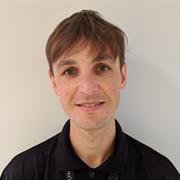
CITAMS CHAIR’S PANEL
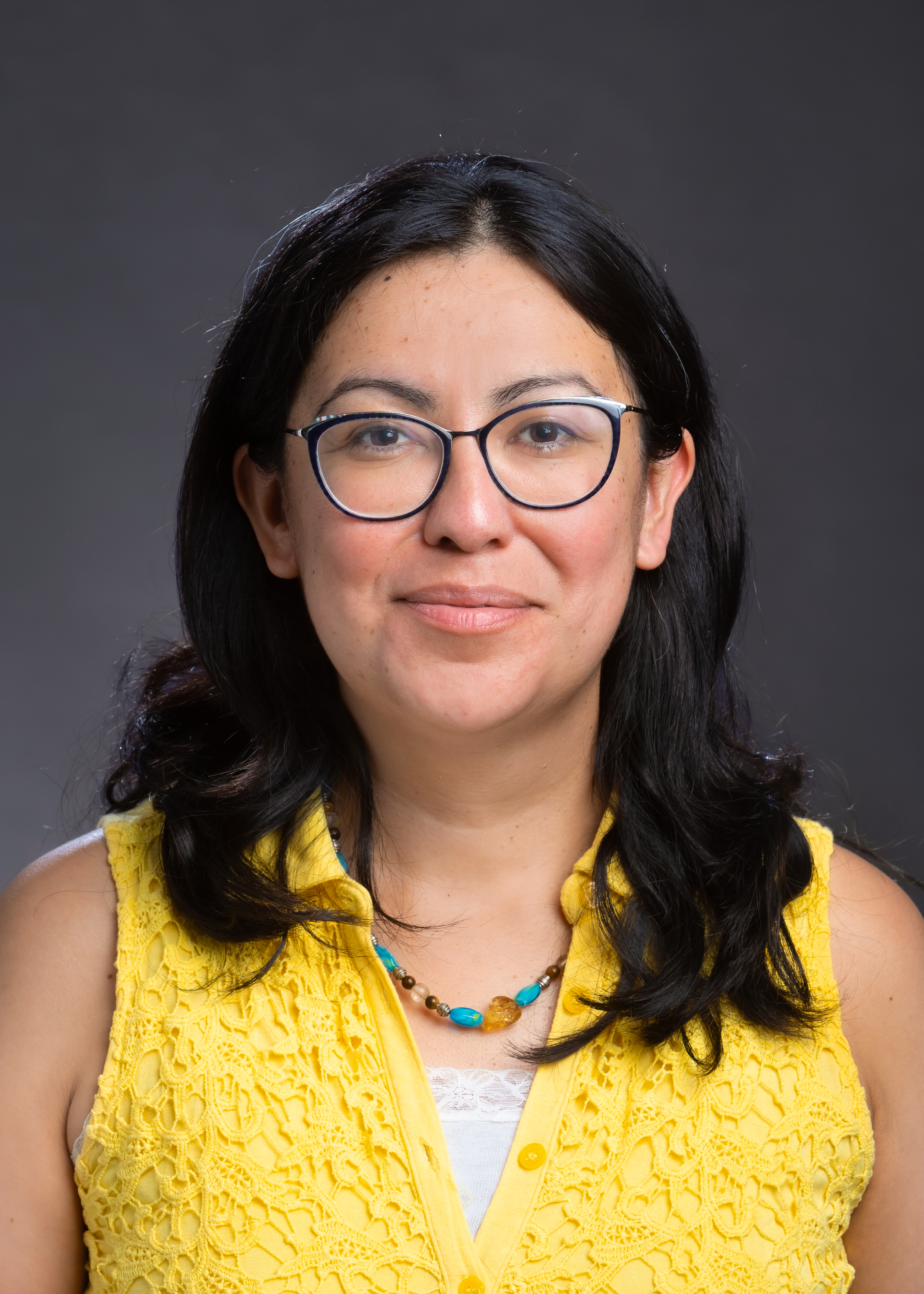
Celeste Campos-Castillo, Michigan State University (CITAMS Chair)
 Celeste Campos-Castillo is an Associate Professor of Media and Information at Michigan State University. She partners with communities to discover ways to leverage technologies to improve their health and enhance their access to health care. Her research has been funded by federal agencies and foundations such as Blue Cross Blue Shield of Michigan Foundation, Meta Research, the National Endowment for the Arts, and the National Science Foundation and appears in journals such as BMC Medicine, Health Affairs, Journal of the American Medical Informatics Association, New Media & Society, and Sociological Theory.
Chair’s Plenary Invited Panelists:
Sheehan Fisher, Northwestern University
Julian Fortuna, Analogy Group
Rose Guingrich, Princeton University
Samuel Hiner, Young People’s Alliance
Brooke Wolfe, Michigan State University
KEYNOTE TALKS AND BIOS
Field Founder Keynote
Caroline Haythornthwaite, Syracuse Univ. & Univ. of Illinois at Urbana-Champaign
 Caroline Haythornthwaite is Professor Emerita, School of Information Studies, Syracuse University, and the School of Information Sciences, University of Illinois at Urbana-Champaign (UIUC). She has held positions as Professor and Director of the School of Information (formerly SLAIS) at The University of British Columbia (2010-2016) and Professor at UIUC (1996-2010) and Syracuse University (2016-2021), and is a founding member of the Society for Learning Analytics Research (http://solaresearch.org/). She has an international reputation in Internet research and the application of social network perspectives to the impact of social media and the Internet on work, learning and social interaction. Research has included work on virtual community, e-learning, distributed knowledge, and learning analytics, notably from a social network analytic perspective. She is known for the concept of media multiplexity, but she would like to see further exploration of the ideas of latent ties, and latent tie structures. Book-length publications include The Internet In Everyday Life (2002), edited with Barry Wellman; Learning, Culture and Community in Online Education: Research and Practice, edited with Michelle M. Kazmer (2004). E-learning Theory and Practice (2011, with Richard Andrews); and the edited volumes The SAGE Handbook of E-learning Research (1st edition 2007; 2nd edition 2016). Current work examines the state of social media in terms of controversies arising from internal and external pressures affecting social media platforms. Following the model of the Fund for Peace Fragile States Index, the work presents a framework for assessing social media platforms based on a set of fragility indicators. These indicators are derived from a wide-ranging – and ongoing – review of studies, news, reports, and legal cases on social media, and information from social media platforms. A book-length treatment is in progress, building on the paper Social Media as Fragile State (2024) co-authored with Philip Mai and Anatoliy Gruzd. Some further information can be found at http://haythorn.wordpress.com/ and on Google Scholar.

Senior Scholar Keynote
Keith N. Hampton, Michigan State University
 Keith N. Hampton, Ph.D., is a professor in the Department of Media and Information, and Director of Academic Research at the Quello Center for Telecommunication Management and Law at Michigan State University (MSU). Hampton studies community and the relationship between digital media, social networks, and inequality. His recent research has focused on the outcomes of persistent contact and pervasive awareness through social media, including stress, self-esteem, tolerance, belief in a just world, exposure to diverse points of view, and willingness to voice opinions.
Global Scholar Keynote
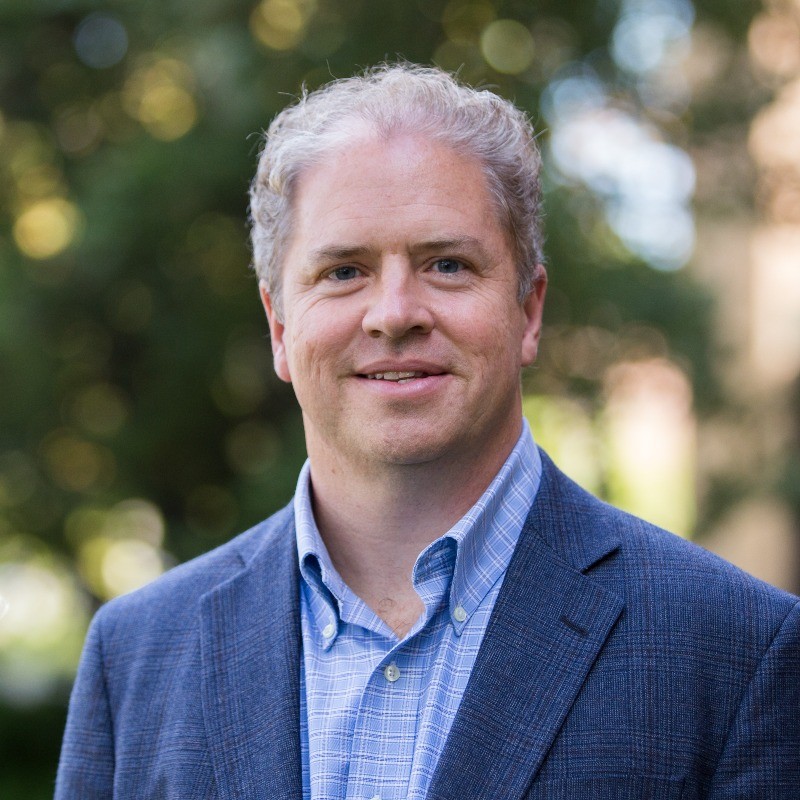
Ashley Mears, University of Amsterdam
 Ashley Mears is Professor and Chair of Cultural Sociology and New Media at the University of Amsterdam. She works in cultural, gender, and economic sociology, focusing on processes of valuation and the circulation of non-financial forms of value. She has conducted ethnographies of fashion, elites, and viral social media. She is writing a book on the attention economy, told through a case of magicians who got rich making viral videos. She is learning a lot about Facebook algorithms, and also learning Dutch.
Mentorship Keynote
Anabel Quan-Haase & Takuya Maeda, Western University
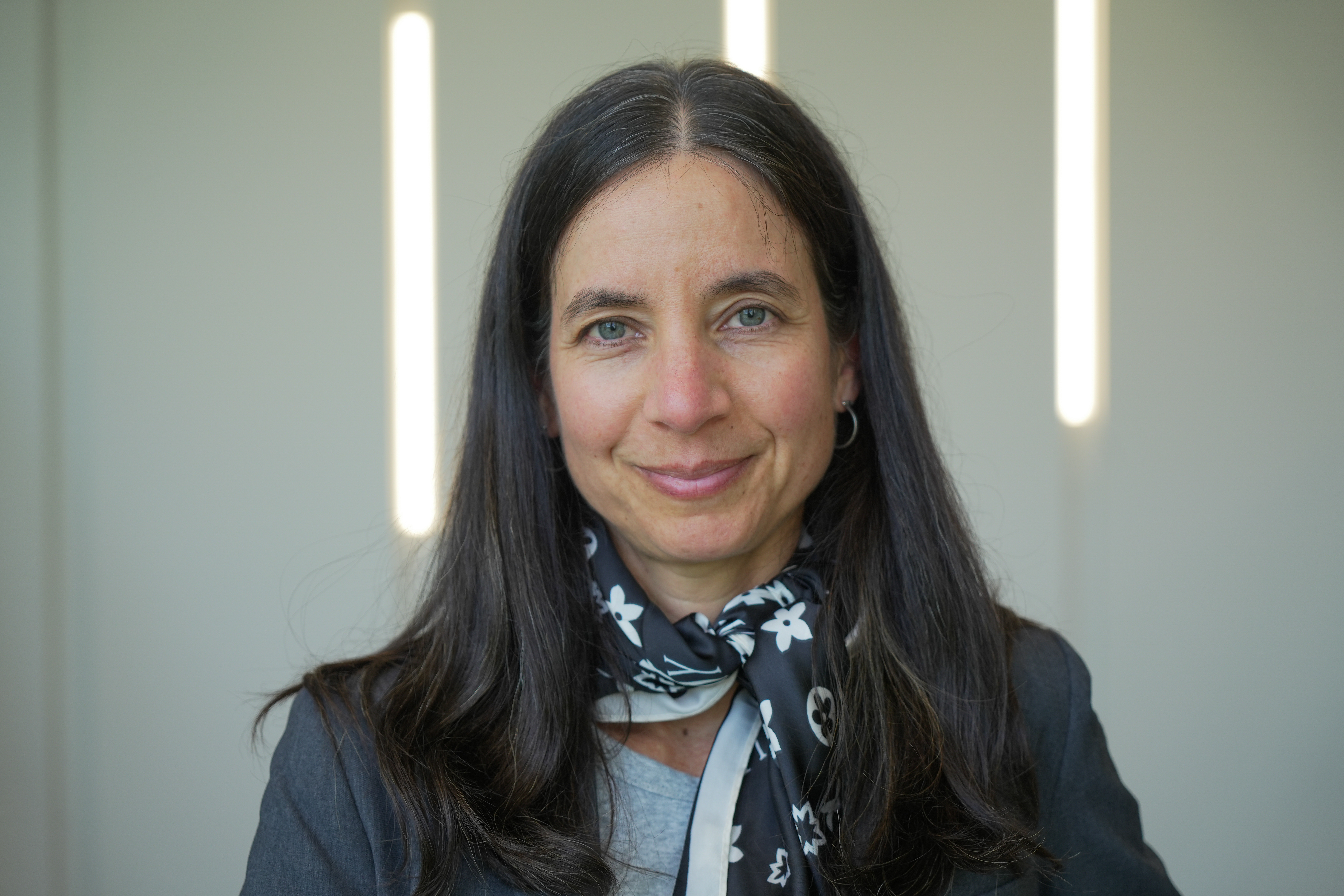
 Dr. Quan-Haase is a Full Professor and Associate Dean of Sociology and Information and Media Studies at Western University. She is the director of the SocioDigital Media Lab and her work focuses on social change, social media, and social networks, with a keen interest in novel methodologies. She engages in interdisciplinarity, knowledge transfer, and public outreach. She is the coeditor of the Handbook of Social Media Research Methods (Sage, 2022), coeditor of the Handbook of Computational Social Science (Routledge, 2022), coauthor of Real-Life Sociology (Oxford University Press, 2024), and author of Technology and Society (Oxford University Press, 2020). Dr. Quan-Haase has published over 100 peer-reviewed articles, book chapters, and conference proceedings. Dr. Quan-Haase is past chair of the Communication, Information Technology, and Media Sociology section of the American Sociological Association and past president of the Canadian Association for Information Science. Through her policy work she has cooperated with the Benton Foundation, Partnership for Progress on the Digital Divide, Federal Communications Commission (FCC), and Canada’s Digital Policy Forum. Dr. Quan-Haase is also a frequent expert commentator and resource for mass media outlets including The Globe and Mail, CBC, Vice, CTV, Global News, Financial Post, The Huffington Post, and many others.
 Takuya Maeda is a 2nd year (soon-to-be 3rd year) PhD Student in the Faculty of Information and Media Studies at Western University. His research draws on HCI, STS, and communication to examine the social and ethical impact of anthropomorphic design in AI systems.
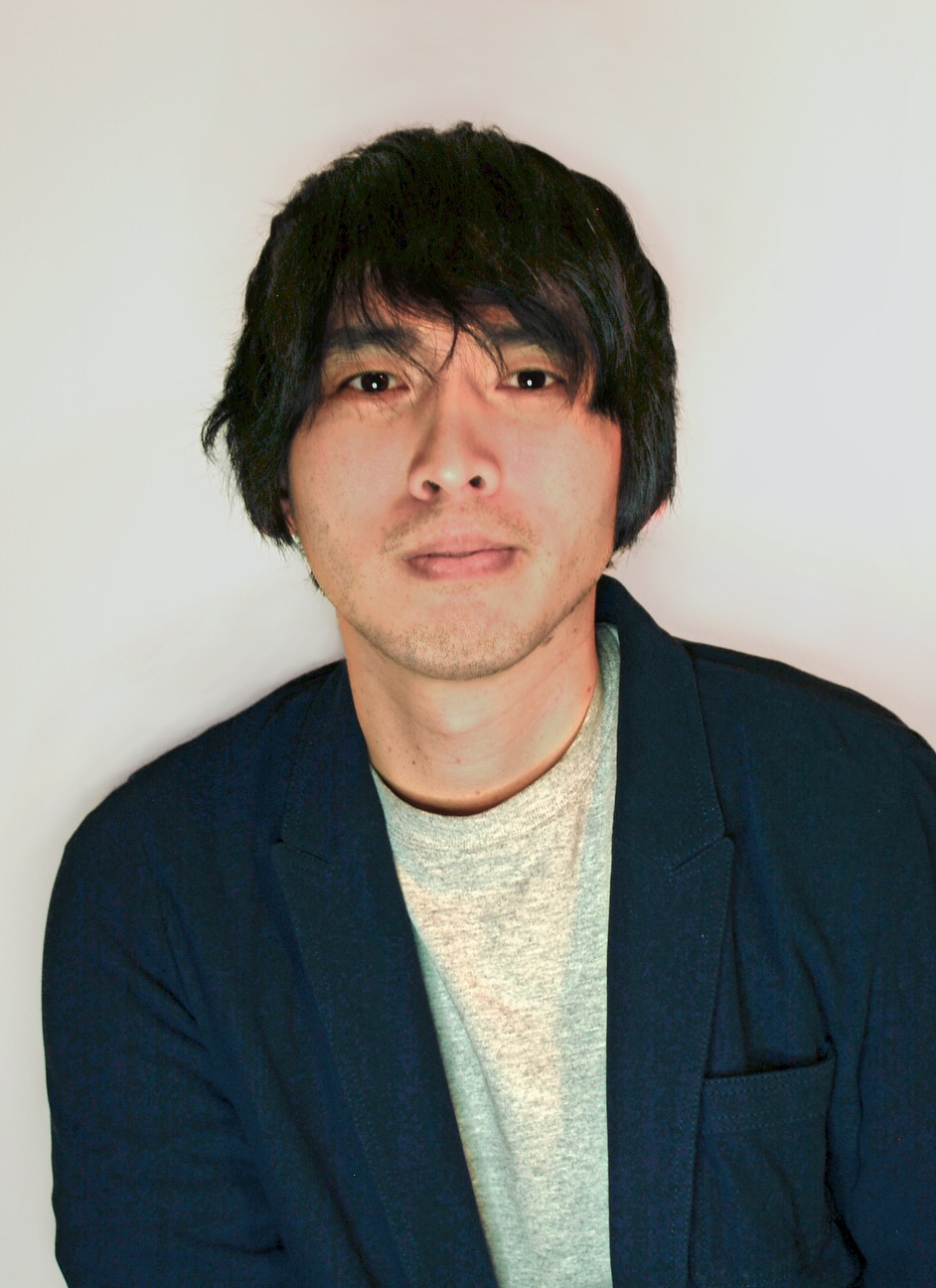
Interdisciplinary Keynote
Benjamin J. Shestakofsky, Cornell University
 Benjamin Shestakofsky is a sociologist and assistant professor in the Department of Information Science at Cornell University. His research centers on the relationship between work, technology, organizations, and political economy in the age of AI. Shestakofsky’s book, Behind the Startup: How Venture Capital Shapes Work, Innovation, and Inequality (University of California Press), investigates the role of financiers in shaping our technological future. His academic articles have been published in journals including Socio-Economic Review, Theory and Society, Big Data & Society, Work and Occupations, Socius, International Journal of Communication, and Teaching Sociology. His research and commentary have appeared in media outlets including the New York Times, National Public Radio, USA Today, San Francisco Chronicle, Financial Times, Los Angeles Review of Books, Fast Company, Stanford Social Innovation Review, Forbes India, Axios, and in a publication of the World Economic Forum. Shestakofsky holds a Ph.D. in sociology from the University of California, Berkeley, and was previously an assistant professor of sociology at the University of Pennsylvania.

Mid Career Keynote
Di Di, Santa Clara University
 Di Di is a rising associate professor in the Department of Sociology at Santa Clara University. She received my Ph.D. degree in the Department of Sociology at Rice University. Prior to enrolling at Rice, Di Di earned a bachelor’s degree in law from Tongji University, Shanghai, China in 2012. Di Di has published sixteen peer-reviewed articles and co-authored a book at Oxford University Press. She has also received four paper awards for my research, as well as six research grants. Broadly, her research examines social inequality, with a particular focus on gender inequality, in scientific and religious institutions from a transnational comparative perspective. In addition to her academic training, Di Di has also worked as a user experience researcher in Microsoft and Facebook.
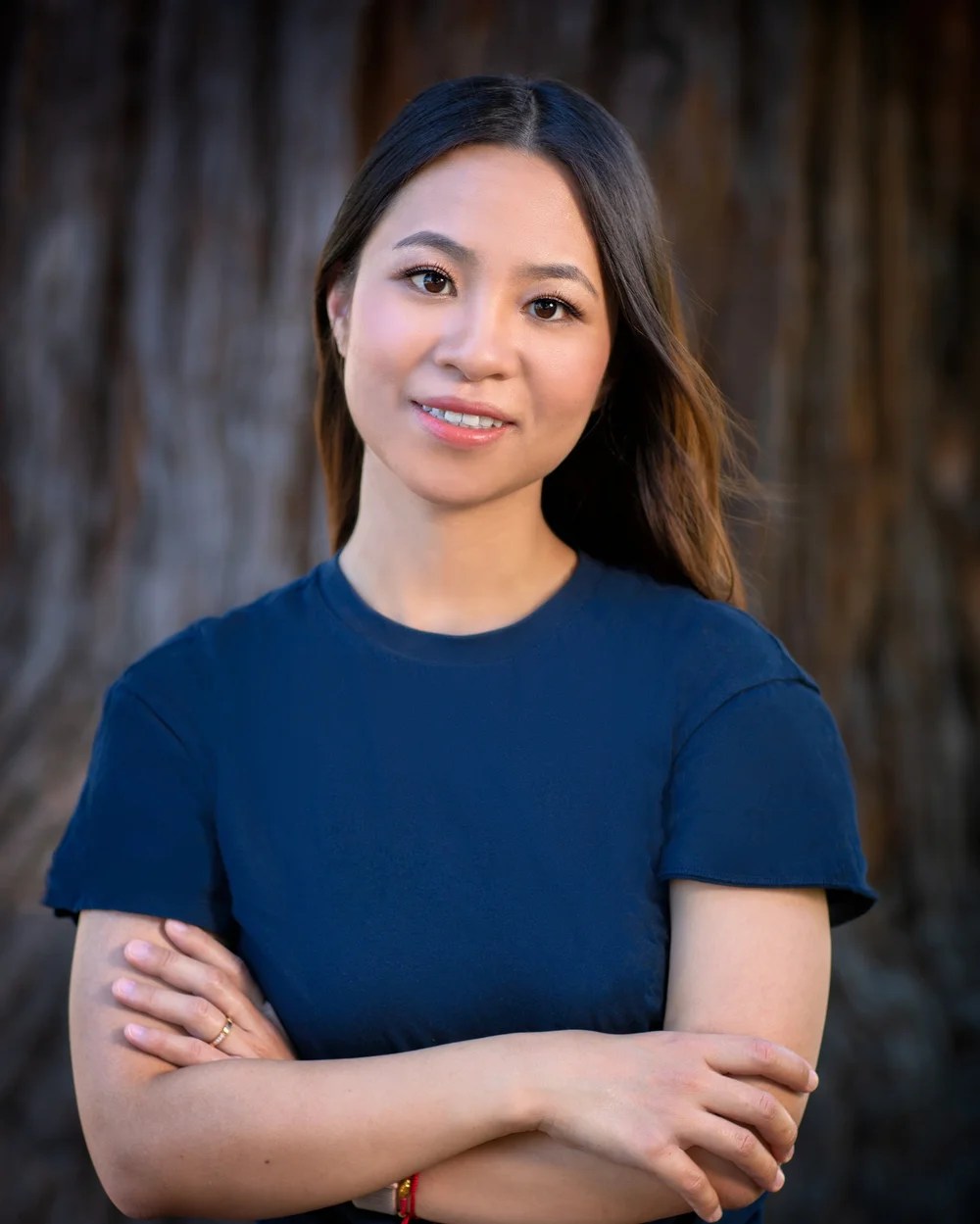
Rising Scholar Keynote
Zhifan Luo, McMaster University
 Zhifan Luo is an Assistant Professor in the Department of Sociology and Wilson College at McMaster University, Canada. Her research investigates the intricate interplay among digital technologies, political power, and civil society. Two questions propel this investigation. In the authoritarian context, how do the rulers adapt to the digital age, and how does the adaptation affect civic life and discourses? In the democratic context, how does digital technology reshape civil relationships and civic engagement? Her works appear in New Media & Society, Information, Communication & Society, The SAGE Handbook of Social Media Research Methods (2nd Edition), China: An International Journal, Journal of Political Power, and more.
Questions? Email: mediasociologysymposium@gmail.com

2024 Event: August 9, 2024
The 2024 annual Media Sociology Symposium was held on August 9, 2024 thanks to sponsorship by CITAMS: the Communication, Information Technologies, and Media Sociology Section of the American Sociological Association. Building on the event’s long-term affiliation with CITAMS, thanks go to Tim Recuber(Chair CITAMS) for the section sponsorship of the annual event and organization of the CITAM Chair’s Panel.

Sponsors
Free registration was generously provided by our sponsors: the Department of Anthropology & Sociology at West Chester University, the Department of Sociology at Santa Clara University, and Emerald Studies in Media & Communications.
Organizers & Global Advisory Board
The event was possible thanks to the service of Co-Organizers: Laura Robinson, Jeremy Schulz, and Julie Wiest, as well as the Global Advisory Board Grant Blank, Wenhong Chen, Kenneth Kambara, Muyang Li, Zhifan Luo, Noah McClain, Katia Moles, Sonia V. Moreira, Anabel Quan-Haase, Massimo Ragnedda, Maria Laura Ruiu, and Juliana Trammel (all names in alphabetical order).
Questions? Email mediasociologysymposium@gmail.com
AUGUST 9th SCHEDULE (All times in EDT Eastern Daylight Time)
10:00 Welcome & Opening Panel “Fields and Institutions”
Chair: Kenneth Kambara
- Johan Lindell: “The Craft of Bourdieusian Media Studies: Towards A Relational Sociology of Digital Media”
- Kenneth Kambara and Alex Symons: “The Role of Technology in the Future of Public Media: The Institutional Challenges of the Canadian Broadcasting Corporation/Radio Canada, and the Digital Triumphs of the British Broadcasting Corporation”
- Jo Ann Oravec: “Robots as Romantic Objects: How Artificial Intelligence Engenders Notions of Love and Marriage”
- Diana Papademas: “Global Communications? The UN as Media Enterprise Moving Data”
11:00 Senior Scholar Keynote: Wenhong Chen
12:00 Field Founder Keynote: Christena Nippert Eng
1:00 Mid Career Scholar Keynote: Bianca Reisdorf
2:00 CITAMS Chair Plenary: “Media & Death”
- Organizer: Timothy Recuber
- Invited Panelists: Shantel Buggs, Nilou Davoudi, Tamara Kneese, & Noah McClain
3:00 Rising Scholar Keynote: Muyang Li
4:00 CITAMS Career Achievement Keynote: Pablo J. Boczkowski
5:00 Panel: Media and Society
- Shelley Boulianne and Christian Hoffmann: “Pandemic activism in comparative perspective: Exploring the roles of digital media uses, misinformation, and populist attitudes”
- Jesse Bryant: “Embedding Regression for Comparative Discourse Analysis: Tracing Far Right Ideology Across Media Ecosystems”
- Dhiraj Murthy: “AI and Social Media in India”
- Laura Robinson and Ines Vitorino Sampaio: “Digital Publics: A Comparative Perspective”
6:00 Closing Remarks
KEYNOTE TALKS AND BIOS
Field Founder Keynote: “Aggressive Mimicry: From Portia Jumping Spiders and the Ghost Army to Phishing, Gaming, Dating, and Deep and Cheap Fakes:
Christena Nippert Eng: Professor of Informatics in the Luddy School of Informatics, Computing, and Engineering at Indiana University Bloomington

Professor Nippert-Eng is a sociologist and Professor of Informatics in the Luddy School of Informatics, Computing, and Engineering at Indiana University Bloomington. Nippert-Eng’s scholarly interests include cognition and culture; gender; privacy and secrecy; deception and camouflage; time and space; home, work, and everyday life; ethnography and user-centered design; and, most recently, the social behavior of nonhuman animals, especially the rest of the great apes.
Professor Nippert-Eng’s work has been featured extensively in the media, ranging from NPR’s “Talk of the Nation” and programs on PBS and MSNBC to the New York Times, Wall Street Journal, Newsweek, Working Mother and Fast Company. She’se served as a consultant to a number of companies including HP, Motorola, Gillette, Steelcase, and Hilton Hotels—as well as non-profits, start-ups, and business consultancies.
Published books include Home and Work: Negotiating Boundaries Through Everyday Life and Islands of Privacy: Disclosure and Concealment in Everyday Life, both with the University of Chicago Press, as well as Watching Closely: A Guide to Ethnographic Observation with Oxford University Press. Nippert-Eng also wrote an award-winning nonfiction picture book for middle grade readers and up, Gorillas Up Close, and a fun board book for toddlers, What is Baby Gorilla Doing? Both are published by Henry Holt and feature the amazing photographs of John Dominski and Miguel Martinez.
Senior Scholar Keynote: TikTok at the Crossroad of Geopolitics and Technopolitics: A Revival of Media Sociology
Wenhong Chen, Ph.D.: Professor of Media Studies and Sociology, School of Journalism and Media, Moody College of Communication, University of Texas at Austin

Dr. Wenhong Chen is a professor of media studies and sociology and a Distinguished Scholar in the Strauss Center for International Security and Law at University of Texas at Austin. An award-winning scholar and educator, Dr. Chen has more than 100 publications, including articles in top-ranked journals in the fields of communication and media studies, sociology, and management. Dr. Chen’s current project examines how U.S. and Chinese AI policies affect tech and media entrepreneurship.
Keynote Abstract: ByteDance’s parallel universe strategy has made TikTok a global sensation with significant social and cultural significance. American lawmakers and regulators have tried to ban TikTok since 2020 based on privacy, data, and national security concerns. Drawing on quantitative and qualitative data including congressional hearings, government, court, and corporate files, media reports and interviews, I first examine the legal, regulatory, and political contours and contentions of the TikTok ban at the federal and state levels in the U.S. Second, I analyze the patterns, success and backfire of TikTok’s strategic responses to U.S. concerns since 2020, especially how its copying of big tech’s playbook falls short. Third, I discuss the implications of the TikTok ban for platform governance and digital trade as well as how such cases present an opportunity for the revival of media sociology.
Mid Career Scholar Keynote: Digital Equity in Prison and Reentry
Bianca Reisdorf: Associate Professor in the Department of Communication Studies, University of North Carolina

Bibi C. Reisdorf, D.Phil., is an Associate Professor in the Department of Communication Studies at the University of North Carolina – Charlotte, USA. Her work focuses on the intersection of inequalities and digital media and the Internet, with a focus on digital inequalities among marginalized populations. In her recent research, Dr. Reisdorf has been focusing on internet access in correctional settings and how returning citizens navigate a technology-dependent world after release. In addition, she is interested in proxy Internet use as well as how Internet users look for and evaluate information from various media sources.
Rising Scholar Keynote: “Rising Scholar Keynote: “Fear of Automation: Conspiratorial Thinking and Resistance to Algorithms in Online Communities”
Muyang Li: Assistant Professor of Sociology, York University, Canada

Muyang is an Assistant Professor of Sociology at York University, Canada. As a digital sociologist, her research explores how digitalization interacts with democracy and social life. Her work focuses on the evolving power dynamics in the digital age, examining how digital technologies reshape the interaction of politics, press, platforms, and public discourse, and their influence on democracy. Her recent projects explore the state and the public’s response to digitalization and include studies on how digital authoritarianism manifests through state surveillance and censorship, the public’s perception of social automation, and AI governance across geopolitical regions. Her work has been published in New Media & Society, Information, Communication & Society, The SAGE Handbook of Social Media Research Methods, and other outlets. She is a Faculty Fellow at the Center for Cultural Sociology at Yale University and a Faculty Associate at the York Centre for Asian Research.
CITAMS Career Achievement Keynote: “Digital Freud: The Refiguration of Inequality, Sociality, and Personhood in Clinical Practice”
Pablo J. Boczkowski: Professor of Communication, Northwestern University

Pablo J. Boczkowski has doctorates in Clinical Psychology (Universidad de Belgrano, 1994) and Science and Technology Studies (Cornell University, 2001). He was an assistant professor at MIT from 2001 until 2005, and since then has been at Northwestern University. His research program examines digital culture from a comparative perspective. He is currently working on a book tentatively entitled “Digital Freud: The Refiguration of Inequality, Sociality, and Personhood in Clinical Practice.” He is past Member of the Institute for Advanced Study at Princeton; Fellow of the International Communication Association; and recipient of the 2024 Career Achievement Award from the Communications, Information Technologies, and Media Sociology section of the American Sociological Association. His award-winning publication record include seven books, five edited volumes, and over sixty journal articles.
Keynote Abstract: For over a century, the practice of the “psy” professions—such as psychiatry, clinical psychology, and social work, among others—primarily consisted of conversations during in-person sessions and the occasional phone call between sessions. They also knew little about each other outside of what was said during sessions. Furthermore, it was rare that mediated information became a topic of conversation during sessions. This communication and technology matrix was tied to longstanding conceptual and procedural models, and to distinct notions of personhood and their place in modernity. But over the past decade it has gone through a fundamental shift—and one that has intensified since the outset of the COVID-19 pandemic. While some sessions still take place in-person, others also happen on the screen or over the phone. Furthermore, patients increasingly communicate with professionals by text and email between sessions, thus extending the frequency of therapeutic exchanges and the workload. They also share audio, photo, and video files to “show rather than tell” about their predicament. Moreover, professionals and patients can—and usually do—know more about each other than before by resorting to search and social media technologies. Finally, the handling of content and interactions over smartphones, social media, and various apps has become a recurrent topic of conversation within sessions. Taken together, these transformations have destabilized the previously dominant matrix, and made visible dynamics that bind communication and technology with transformations in knowledge, culture, and society. In this talk I will draw from an interview-based ethnographic study with mental health professionals (N= 100) in the Greater Metropolitan Area of Buenos Aires, Argentina, to examine how they use communication technology in their work practices. The analysis will show that digitizing mental health work is tied to major transformations in broader issues of inequality, sociality, and personhood in contemporary life.
CITAMS Chair Plenary: Media & Death
Organizer: Associate Professor Timothy Recuber: Associate Professor of Sociology, Smith College
Invited Panelists: Shantel Buggs, Nilou Davoudi, Tamara Kneese, & Noah McClain

Timothy Recuber
Timothy Recuber is a sociologist whose research focuses on mass media, digital culture and emotions. He is the author of two books—The Digital Departed: How We Face Death, Commemorate Life, and Chase Virtual Immortality and Consuming Catastrophe: Mass Culture in America’s Decade of Disaster—as well as numerous articles and essays.
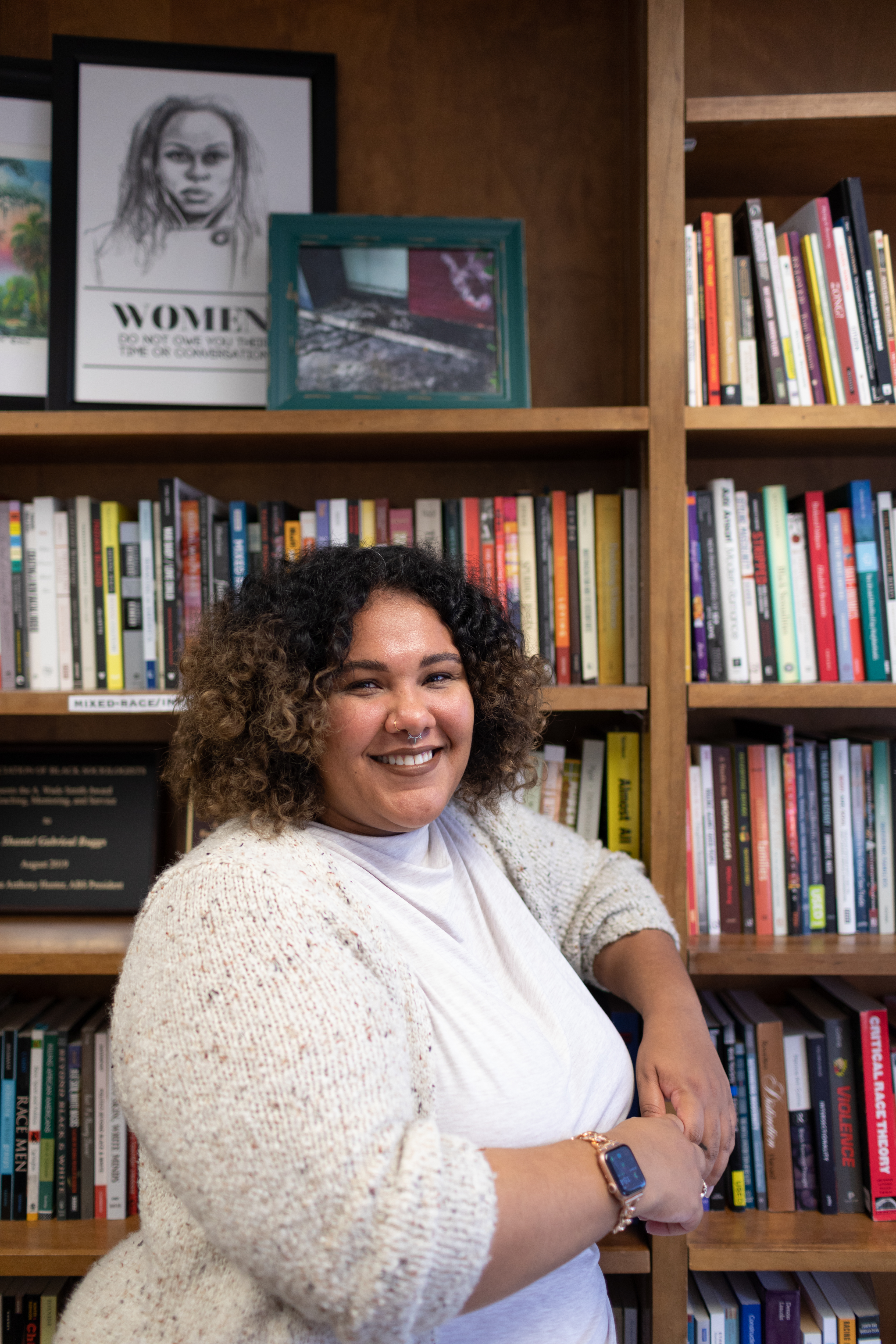
Shantel Buggs
Dr. Shantel Gabrieal Buggs is an Associate Professor of Sociology and African American Studies at Florida State University. Her research interests center racism, digital life and culture, and intersectional assessments of institutional and intimate/romantic relationships. She is co-editor and author of Unsafe Words: Queering Consent in the #MeToo Era (Rutgers University Press, 2023).
Nilou Davoudi
Nilou is a PhD candidate at the University of British Columbia (Vancouver, BC, Canada). Nilou’s doctoral research focuses on the impact of digital platforms on mourning and memoria practices, digital remains, and the ethicalities of the rising digital death industry. Her research includes exploring death, grief, and memorialisation content on TikTok; the necessity for critical social and legal norms for guidance pertaining to access, ownership, and privacy of digital remains; and considerations for the societal and theoretical discourses surrounding the digital dignity of the dead.
Tamara Kneese
Tamara Kneese the director of Data & Society’s Algorithmic Impact Methods Lab (AIMLab). Before joining D&S, she was lead researcher at Green Software Foundation, director of developer engagement on the Green Software team at Intel, and assistant professor of Media Studies and director of Gender and Sexualities Studies at the University of San Francisco. She is a Visiting Scholar at UC Berkeley’s Center for Science, Technology, Medicine & Society and a faculty member in the Master in Design for Responsible AI program at ELISAVA in Barcelona. She is the author of Death Glitch: How Techno-Solutionism Fails Us in This Life and Beyond (Yale University Press, 2023) and the co-editor of The New Death: Mortality and Death Care in the Twenty-First Century (School for Advanced Research/University of New Mexico Press, 2022). Tamara holds a PhD in Media, Culture and Communication from NYU. Her work has been published in academic journals including Social Text, Cultural Studies, and the International Journal of Communication, and in popular outlets such as The Baffler, Wired, and Logic Magazine. In her spare time, she is an organizer with the Tech Workers Coalition.
Noah McClain
Noah McClain (PhD, New York University) is a sociologist at Santa Clara University, with interests spanning the sociologies of cities, law, communication, complex organizations, work, policing, and security, and how these intersect with technologies high and low. His recent work has examined hilarious memes to understand the failures of counterterror security in the New York subway, and how the COVID-19 pandemic impacted the delicate material and organizational resources enlisted by prisoners in food practices. McClain has served on the faculties of Illinois Tech and the Bard Prison Initiative, where he was also a postdoctoral research fellow. His work has been featured in major media outlets, including The New York Times.Prior to academia, McClain was an investigator of police misconduct for the City of New York.
ALSO FEATURING:
Sponsorship by ESMC & Brazil-U.S. Colloquium on Communication Studies
Sonia Virgínia Moreira
Professor of Communication, Rio de Janeiro State University, Brazil

This year we highlight our sponsorship by ESMC that resulted in a multi-year collaboration with the Brazil-U.S. Colloquium on Communication Studies. We recognize two recent volumes with ESMC:
Geo Spaces of Communication Research: Vol. 26 | Emerald Insight
Creating Culture Through Media and Communication: Vol. 24 | Emerald Insight
Sonia Virginia Moreira is a journalist, Master in Journalism from the University of Colorado (Boulder campus) and Doctor in Communication Sciences from the University of São Paulo. As Professor at the Social Communication Faculty of the Rio de Janeiro State University (UERJ) in the area of journalism and media culture, she has been carrying out research with emphasis on the areas of broadcasting industry in Brazil (specially radio) and regional and international communication. Sonia is the author of several articles and book chapters on journalism and communication-related topics. Among the books she has published are: Rádio Nacional, o Brasil em sintonia (The National Radio Station, Brazil tuned in) (1988, in partnership with Luiz Carlos Saroldi); O Rádio no Brasil (Radio in Brazil) (2nd edition 2000); Rádio Palanque, fazendo política no ar (Radio Speakers Platform, politics on the air) (1998); Rádio em transição – tecnologias e leis nos Estados Unidos e no Brasil (Radio in transition – technologies and laws in the United States and in Brazil) (2002); Mídia, ética e sociedade (Media, ethics and society) (2004, organized in partnership with Aníbal Bragança). She was elected president of the Brazilian Society for Interdisciplinary Studies in Communication (2002-2005) and was also its international relations director (2005-2008). Presently she coordinates the Brazil-US Colloquium on Communication Studies and is a member of the scientific committee of the Brazilian Society of Journalism Researchers (SBPJor).
Hon. Lloyd Levine (ret.), Senior Policy Fellow, UC Riverside
Encore Replay of Levine’s ICA Keynote Available Here Aug. 9-16
Highlights from Lloyd’s volume with ESMC below.

Thanks to the Media Sociology Symposium’s sponsorship by Emerald Studies in Media and Communications, this year’s event highlights Lloyd Levine’s volume: Technology vs. Government: The Irresistible Force Meets the Immovable Object featured in the UC Riverside’s School of Public Policy’s Podcast Series: Policy Chats. Technology vs. Government examines why government fails at technology acquisitions, innovation, and implementation, the impact on people, and the future opportunities and implications for government service, administration and policy.

Lloyd Levine is a former member of the California State Legislature where he served as Chair of the Assembly Committee on Utilities and Commerce. Currently, Mr. Levine serves as T-Mobile for Government’s National Senior Executive for State Government Strategy and is a Senior Policy Fellow at the University of California, Riverside School of Public Policy. As a Legislator, Mr. Levine established himself as one of California’s leading experts in energy, telecommunications, and technology policy, successfully championing many cutting edge, first-in-the-nation policies. Mr. Levine served as a member of Governor Schwarzenegger’s Broadband Taskforce and was a Founding Board Member of the California Emerging Technology Fund. Mr. Levine currently serves as a Founding Member of the Advisory Board for the UC Riverside School of Public Policy, where he and the school’s founding Dean, Anil Deolalikar, co-founded the Center for Technology, Policy & Society.Through his legislative and professional work and his academic publications, Mr. Levine has earned a reputation as a nationally recognized leader in government technology and policy, including recently being named “one of the 40 most thought-provoking innovators in New York city and state” by the prestigious New City & State New magazine recently. Mr. Levine has appeared on television and radio programs across the country and has been published and cited widely in print media, with articles published in everything from daily newspapers to legal publications. Mr. Levine has also served as a panelist and keynote speaker at energy, and technology conferences around the world, and been a guest lecturer in many universities and law schools.As a Senior Policy Fellow, Mr. Levine has multiple peer reviewed articles on utilities, technology, broadband and the digital divide. Mr. Levine’s first book, “Technology vs. Government: The Irresistible Force Meets the Immovable Object”, an academic, research-based exploration of the intersection of technology and government. The Title was published in March of 2024.Mr. Levine currently resides in Sacramento with his wife, Emmy award winning KCRA Anchorwoman Edie Lambert and their two children.
For scholars who want to make connections between policy and research, see Levine’s here:
“Connecting research to policy: Understanding macro and micro policy-makers and their processes” in First Monday
“Digital Inequality Research for Digital Publics: A Call for New Modalities in Policy-oriented Social Science” in P. Tsatsou (ed.), Vulnerable People and Digital Inclusion.
Media Sociology Symposium: Aug. 16th 2023
The event was held with generous sponsorship from West Chester University, UT Austin, and Santa Clara University.
2023 Media Sociology Symposium | August 16th
Sponsors
Building on the event’s long-term affiliation with CITAMS, registration is free thanks to the generous sponsorship from the Department of Anthropology & Sociology at West Chester University, the Center for Entertainment and Media Industries at Moody College of Communication at the University of Texas at Austin, and the Department of Sociology at Santa Clara University. Our thanks also go to Dustin Kidd (Chair CITAMS) for the section sponsorship.
Global Committee Members
We thank our global committee members for their service (in alphabetical order): Grant Blank, Wenhong Chen, Kenneth Kambara, Muyang Li, Katia Moles, Sonia V. Moreira, Anabel Quan-Haase, Massimo Ragnedda, Maria Laura Ruiu, Inês Vitorino Sampaio, and Juliana Trammel, and Julie Wiest.
Questions? Email mediasociologysymposium@gmail.com
Keynotes:
11:30 AM Symposium Keynotes: Dr. Di Di and Dr. Katia Moles
2:30 PM Public Sociology Keynote: Dr. Noah McClain
Panels:
10:00 AM Panel: Digital Inclusion and Exclusion Processes
1:00 PM Panel: Media, Power, and Marginalization
3:45 PM Panel: Politics, Protest, and Representation
All times in EDT (Eastern Daylight Time)
– – – – –
Detailed Schedule for August 16th (all times in Eastern Daylight Time):
10:00 Welcome: Julie B. Wiest
10:00-11:15 Panel: Partnership with the Brazil-U.S. Colloquium on Communication Studies Colóquio Brasil-Estados Unidos no Media Sociology Symposium
Chair: Julie B. Wiest
Organizer: Sonia V. Moreira, State University of Rio de Janeiro, Brazil
Panel Theme: Digital inclusion and exclusion processes: education, literature/journalism, and communication
Literary journalism and the construction of life stories by Monica Martinez (UNISO, Brazil)
Digital Media Literacy in Brazil by Cristiane Parente (University of Brasília, Brazil)
Midi! The inclusive media portal of a laboratory for the study of local and regional media by Jacqueline S. Deolindo (UFF Campos dos Goytacazes, Brazil)
The fine line of digital media inclusion through the use of mobile phones in Brazil by Sonia V. Moreira (UERJ, Brazil)
Artificial Intelligence for Social Evil: Exploring How AI and Beauty Filters Perpetuate Colorism Juliana Trammel (Savannah State University, U.S.A.)
11:15-11:30 Break
11:30-12:30 Symposium Keynote Panel: Work and Tech Ethics
Introduction: Julie B. Wiest
Keynote Speakers: Dr. Di Di and Dr. Katia Moles
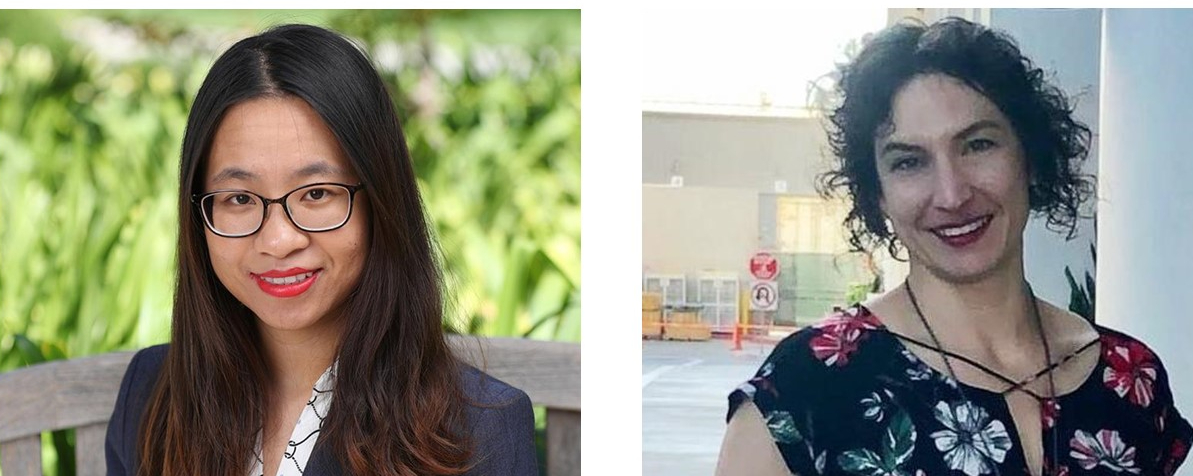
Dr. Di Di: “Ethical ambiguity and complexity: tech workers’ perceptions of big data ethics in China and the US”
Relying on interviews with 98 tech workers in China and the US, this study is guided by two questions: (1) What are tech workers’ perceptions of big data ethics, and (2) what are the cross-national similarities and differences in China and the US? The study found that there are cross-national similarities in tech workers’ cautious enthusiasm about the applications of big data in their work, as well as in their complex and ambivalent ethical perspectives on the use of big data in government digital surveillance. The main cross-national differences occur in tech workers’ perceptions of whether big data may reinforce social inequalities. US-based tech workers are concerned about the reinforcement of race and gender-based inequalities through the use of big data, whereas their colleagues in China are optimistic that the use of big data may reduce income-based inequalities across geographical regions. The study’s findings have implications for how to leverage tech workers’ influence and promote the ethical use of data and algorithms.
Di Di is an assistant professor in the Department of Sociology at Santa Clara University. Dr. Di Di’s work examines the contextualization of global institutions, such as religion, academic sciences, technology, and digital sociology. Her recent study analyzes how tech workers in China and the US understand the intersection between religion, ethics, and the application of science. She is also working on another study on atheist, secular humanist, religious, and spiritual content creators on social media. Some recent publications on today’s theme include “Surviving is Succeeding: How Tech Workers Handle Job Insecurity During COVID-19” published in the American Behavioral Scientist and “Ethical ambiguity and complexity: tech workers’ perceptions of big data ethics in China and the US” Information, Communication & Society. Other publications have appeared in journals such as Sociology of Religion, The Sociological Quarterly, Science and Engineering Ethics, and Journal of Contemporary China.
Dr. Katia Moles: “Tech Ethics Begins Now”
Adding to the work on creative conflict management that has been the object of organizational and management studies for the last several decades, we focus on a subset of Gen Z or “Generation Tech” (Gen T). This generation will be the first to instinctively and reflexively bring a “technology first” approach to their work practices including conflict resolution. Scholars of organizational communication identify the management of creative conflict as a prosocial process with important ramifications for organizational well-being. Taking a social diagnosis approach, we contribute to this growing literature by bringing it into dialogue with digital sociology and Gen Ters who are well-suited to use digital communication platforms (DCPs) like Teams and Slack to engage in creative conflict that benefits the well-being of organizations and their members. Our analysis shows that DCPs can encourage prosocial behaviors, when they (1) include nonsynchronous functionality, (2) associate contributions with members’ real names, and (3) make all interactions visible to all team members. Our study reveals that when organizational DCPs are governed by these parameters, they can foster the Seven Cs of Creative Conflict that we identify as clarity, candor, contribution, cooperation, challenge, courage, and collegiality. The Seven Cs foster a growth mindset feedback loop in which members learn to self-reflectively apply a social diagnostic approach to their own digitally mediated well-being, thereby potentially improving organizational communication. Therefore, the Seven Cs form a core of communication competencies that will be increasingly important for organizational success as Gen Ters continue to mature and become colleagues in a variety of organizations.
Katia Moles is a social ethicist trained at UC Berkeley and GTU. Dr. Moles is a faculty member in the SCU School of Engineering whose research speaks to the intersection of inequalities and tech ethics, particularly issues of inclusion that impact traditionally underrepresented groups. Recent and forthcoming publications in venues including First Monday and the American Behavioral Scientist are at the forefront of tech ethics from an interdisciplinary perspective including the ethics of digital inclusion, ethical questions related to emergent technologies, and the policy implications of cultural norms and gender inequality. Moles has been recognized by the Journal of Feminist Studies in Religion with the “New Scholar Award” for the article “A Culture of Flourishing: A Feminist Ethical Framework.” Indicating Moles contributions across fields, Dr. Moles work on tech ethics and work has been reprinted by the National Institute for Health National Center for Biotechnology Information in the National Library of Medicine.
12:30-1:00 Break
1:00-2:15 Panel: Media, Power, and Marginalization
Chair: Jeremy Schulz
Online Racism, Algorithms, and Digital Intermediaries: Examining Multiple Dimensions of Digital Oppression by Maryann Erigha Lawer
The Cultural Politics of Detransition Narratives on YouTube by Eli Alston-Stepnitz and Laura Grindstaff
Public or Private: Narrating Gendered Violence in Chinese Social Media, 2010-2019 by Muyang Li and Zhifan Luo
History or a Hindsight? The Haunting of New England by Tanni Chaudhuri
2:15-2:30 Break
2:30-3:30 Public Sociology Keynote: Noah McClain
Introduction: Jeremy Schulz
“Machine-Readable Impunity: Police Personnel, Mobility, and the Deception of “Smart” Transportation Computers in New York City
Noah McClain (PhD, New York University) is a sociologist at Santa Clara University, with interests spanning the sociologies of cities, law, inequality, complex organizations, work, policing, and security, and how these intersect with technologies high and low. His recent work has examined hilarious memes to understand the failures of counterterror security in the New York subway, and how the COVID-19 pandemic impacted the delicate material and organizational resources enlisted by prisoners in food practices. McClain has served on the faculties of Illinois Tech and the Bard Prison Initiative, where he was also a postdoctoral research fellow. Prior to academia, McClain was an investigator of police misconduct for the City of New York. His work has been featured in The New York Times.
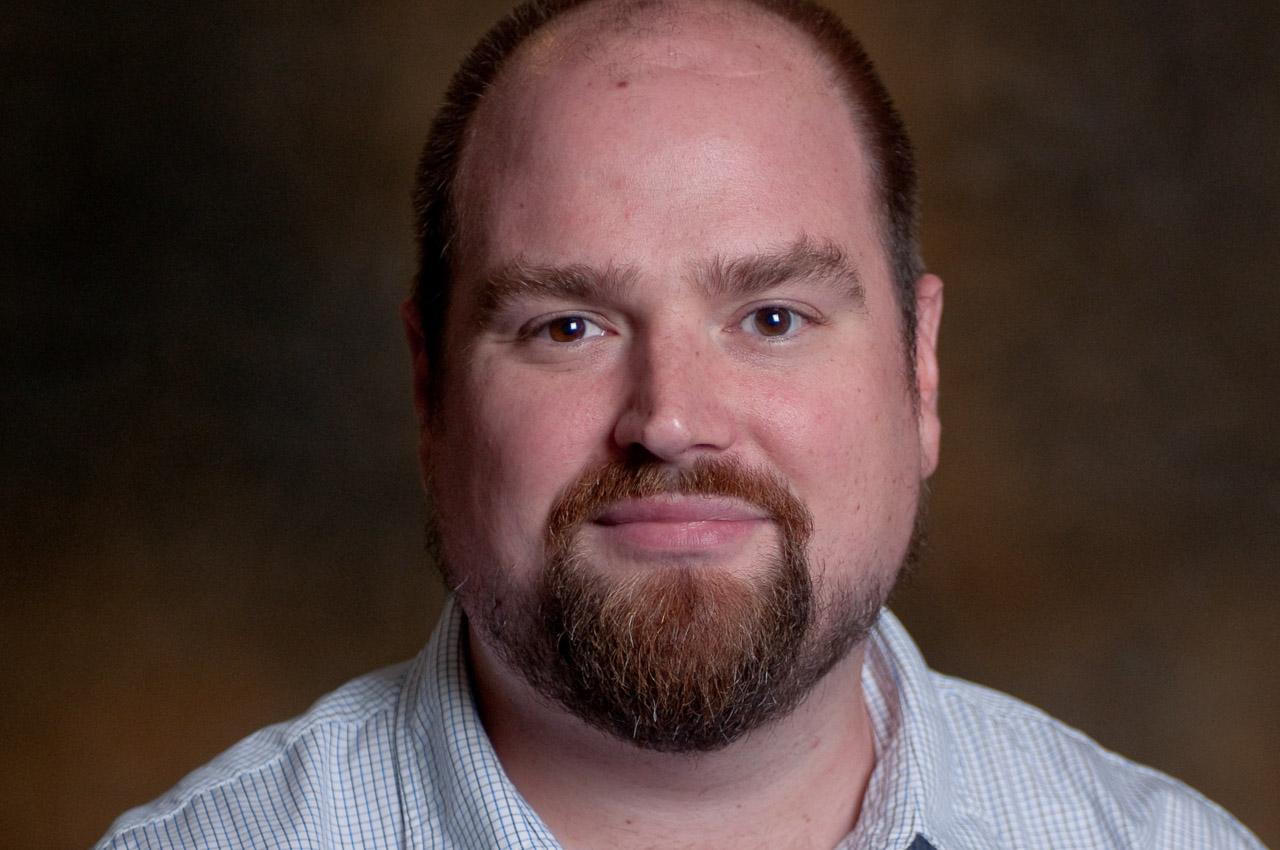
Digital “smart city” technology is a new domain for deviance and criminalization – and also for police impunity. McClain reports on the discovery and outcome of what is practically a naturally-occurring experiment comparing two formally-similar practices to bypass the fare-and-toll collection computers in New York City, by manipulating the media they are deployed to read. While one practice – native to the subway – was subject to criminalizing legislation and came be interpreted as felony forgery, with a highly racialized pattern of arrests and prosecution, the other practice – native to the city’s toll bridges –is strongly associated with police personnel themselves and has achieved no criminal status at all. The opacity of the collection technologies makes the criminalization of the first practice difficult to contest, and masks and prevents measurement the impunity conferred by the second – especially – to police personnel. The cases suggest new horizons for media sociology, towards the ways that mundane objects are uniquely read by mundane digital infrastructure, how these readings may be interpreted or neglected to confer social advantage and disadvantage alike.
3:30-3:45 Break
3:45-5:00 Panel: Politics, Protest, and Representation
Chair: Laura Robinson
Right Wing Media Radicalization and Gendered Harassment by Hannah Waight
Formation of a Critical Media Landscape in the Midst of Democratic Decay by Defne Over
“He’s done. He’s gone-zo. Never again.” An Investigation and Typopogy of Celebrity Cancel Culture as Micro-Political Engagement by Sarah Johnson-Palomaki
Understanding News Diversity in Social Crises: A Multi-Method Comparative Study by Fan Yang, Muyang Li, Zhifan Luo, and Chia Chang
Youth and Civic Engagement: A Comparative Perspective by Ines Vitorino Sampaio and Laura Robinson
5:00 Closing Remarks: Laura Robinson
2022 Media Sociology Symposium
Thank you to our keynotes: Grant Blank, Sarah Stonbely, & Juliana Trammel and the CITAMS Plenary: Jenny Davis and Dustin Kidd (organizers) and Michael Schudson, Julia Sonnevend, Caitlin Petre, and Laura Garbes (panelists).
Morning Keynote: Grant Blank
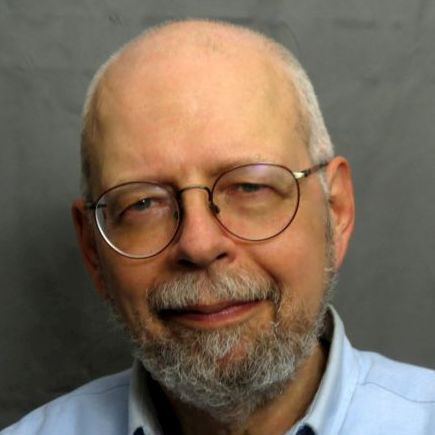
“What parts of communication & information technology are we not studying?”
Access a recording of the presentation here
(audio only; video unfortunately was corrupted in transfer)
Bio: Grant Blank (Ph.D. University of Chicago) is Survey Research Fellow at the Oxford Internet Institute and Senior Research Fellow of Harris Manchester College, both part of the University of Oxford, United Kingdom. He is a sociologist specializing in the social and cultural impact of the Internet, the digital divide, statistical and qualitative methods, and cultural sociology. He is currently working on analyses of British Internet use based on the 2019 wave of the Oxford Internet Survey (OxIS), see https://oxis.oii.ox.ac.uk/. Author or co-author of about 50 papers and six books, in 2015 he was awarded the Lifetime Achievement Award from the Communication, Information Technology and Media Sociology section of the American Sociological Association. He can be reached at grant.blank@gmail.com; see https://www.linkedin.com/in/grantblank/.
Midday Keynote: Sarah Stonbely
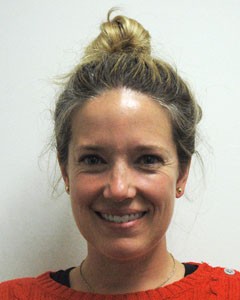
“Local News Ecosystems, Media Policy, and Journalism Sustainability: How Theoretical Media Sociology Can Be Applied to Questions in Journalism and Media Today”
Access a recording of the presentation here
Bio: Sarah Stonbely (Ph.D., New York University, 2015) is the research director at the Center for Cooperative Media in Montclair, NJ. As such she designs, manages, and executes the research agenda, which supports the Center’s mission of growing and strengthening local journalism. Since heading the research agenda at CCM, Stonbely has produced white papers and research reports on collaborative journalism, the effects on content of changing media ownership, ethnic and community media, media policy, and the structural correlates of local news provision. Her most recent project was a global analysis of collaboration between journalism and civil society organizations.
Afternoon Keynote: Juliana Trammel
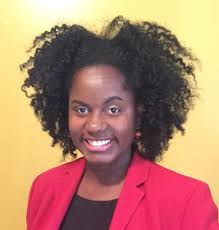
“Social Media as a Platform to Advance Public Discourse”
Access a recording of the presentation here
Dr. Juliana Maria Trammel is a communications consultant, professor, and researcher. She has 12 years of experience in the field of communications that includes journalism, public relations, organizational and strategic communication, and communications research. She is currently an associate professor of Journalism & Mass Communications at Savannah State University. She earned a Ph.D. in Communication and Culture (organizational communication) from Howard University; a MA in Public Communication (social marketing) from American University; and a BA in Print and Broadcast Journalism (double major) from Rust College.
CITAMS Plenary: Jenny Davis and Dustin Kidd (organizers)
Access a recording of the presentation here
Panelist: Michael Schudson

“What Matters More Than Truth to U.S. Journalists?”
Abstract: U.S. journalists routinely defend their practices as committed to what they variously call objectivity, balance, fairness, professional detachment, fact-based, or in the service of truth. But this commitment, while genuine, competes with and sometimes gives way to other loyalties — to civility, to privacy, to protecting individual human lives (a “first do no harm” principle), to democracy, and to building emotional connection to audiences through storytelling. This paper briefly presents cases where these other principles subordinate objective reporting to some other goals and raises especially the complications of a journalistic commitment to democracy when explicitly anti-democratic forces are attracting a large following.
Bio: Michael Schudson is Professor of Journalism at Columbia University, and Emeritus Distinguished Professor at the University of California, San Diego.Internationally recognized as a leading scholar of the history and sociology of journalism, he has been awarded a MacArthur “genius” fellowship and is an elected member of the American Academy of Arts and Sciences. His books include Discovering the News (1978), The Good Citizen: A History of American Public Life (1998), The Sociology of News (2003, 2011), The Rise of the Right to Know (2015), and Why Journalism Still Matters (2018).
Panelist: Julia Sonnovend
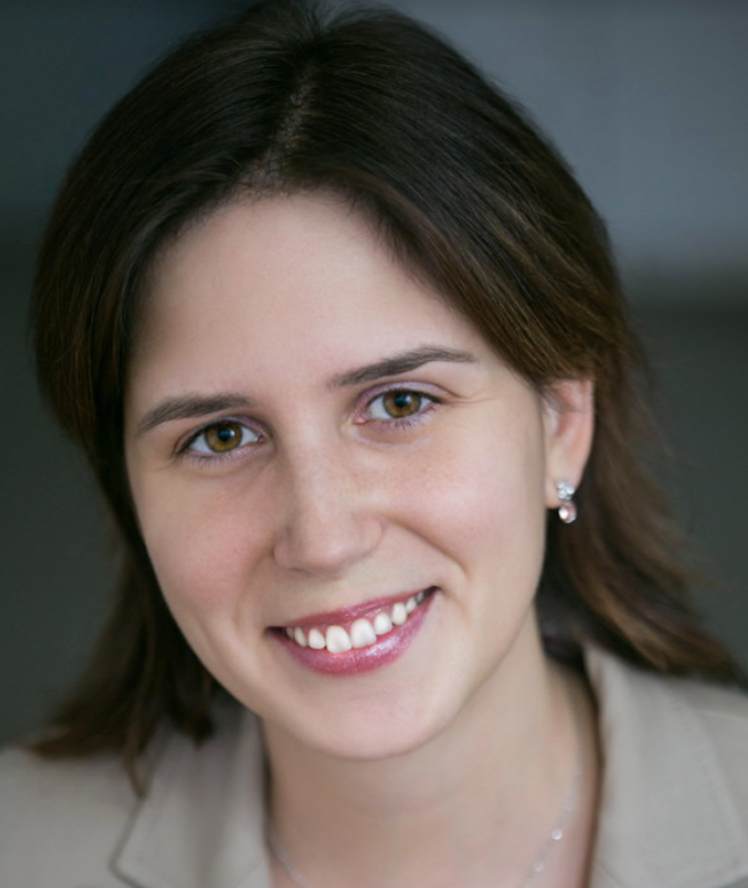
“Charm: The Power of Personality in Global Politics”
Abstract: Political scientists have argued that the last thirty years have been marked by an increasing presence of political personalization: we pay more attention to personalities than to institutions, policies or parties. While this is widely accepted, we still know little about how political personalities are constructed in mediated environments. Through the examples of liberal, illiberal, and authoritarian leaders, this talk will argue that charm is the new “keyword” of contemporary global politics. The traditional quality of “charisma” referred to exceptional, almost divine qualities and rhetorical performances of male politicians, who were distant from their audiences. In contrast, charm is a magic spell that is both seductive and deceptive, and is built on a leader’s proximity to intended audiences. Politicians now have to appear as “one of us.” With savvy methods, they charm and fuse with their diverse and fragmented audiences online. Without understanding how these seductive personalities rise to power, attract attention in new media, and then often fall out of favor, we cannot grasp the current complex and fragile political times we live in.
Bio: Julia Sonnevend is Associate Professor of Sociology and Communication at the New School for Social Research in New York. She is a sociologist of global culture, focusing on the events, icons, symbols and charismatic personalities of public life. She is the author of Stories Without Borders: The Berlin Wall and the Making of a Global Iconic Event (Oxford University Press, 2016) and is currently finalizing a new book manuscript entitled Charm: The Power of Personality in Global Politics (under advance contract with Princeton University Press). She grew up in Budapest, Hungary, and earned her LLM at Yale Law School and her PhD in Communications at Columbia University.
Panelist Laura Garbes

“Nice white donors: Contending with public radio’s listener-member class”
Abstract: How does the donor base of privilege-dependent nonprofit organizations shape the workplace experiences of employees of color? This inquiry connects donor influence on organizations to minoritized worker experiences within those organizations. In this article, I first analyze existing public radio historiographies alongside a corpus of public radio marketing materials to demonstrate how NPR member stations, understood at their outset to be local organizations meant to reflect the entire public of each region, became dependent on a narrow set of donors, and by consequence, their tastes. Second, I analyze qualitative interview data with 66 employees to show how employees of color at local NPR member stations must contend with the donor base’s importance both directly and indirectly. Many employees of color I interviewed contend with the donor base directly through interactions at donor events, station visits, and pledge drives; they also contended with these donors indirectly as they were invoked throughout the story pitching and framing process. Ultimately, these findings demonstrate that donor influence on workers of color in cultural organizations constrain opportunities of workers of color in the organization and the stories available in the dominant public sphere.
Bio: Laura Garbes is an incoming assistant professor of sociology at the University of Minnesota – Twin Cities. She received her PhD in Sociology from Brown University. She has received fellowships from the National Science Foundation and the American Association for University Women for her work, which focuses on the relationship between voice, whiteness, and cultural organizations. Her current research project interrogates the racialization of sound in American public radio. Her article “When the “Blank Slate” Is a White One: White Institutional Isomorphism in the Birth of National Public Radio” is published in Sociology of Race and Ethnicity. Her most recent publication, ““Anti-Colonial Struggles on Air: Challenging the Colonial Soundscape through Indigenous Soundwork” can be found in Resonance: The Journal of Sound and Culture.
Panelist: Caitlin Petre
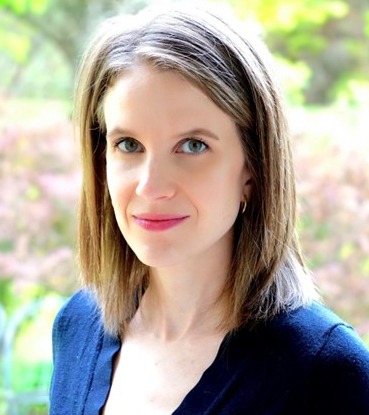
“When Workers Own the Newsroom: Media Ownership, Journalistic Working Conditions, and the case of Defector Media”
Abstract: Recent years have seen a rise in worker-owned media companies and cooperatives. The worker-ownership model has been heralded as a potential counter to the precarity of journalistic jobs, the speedup of newswork, and the hyper-commercialism of the US news industry. But we do not yet know how this model impacts journalists’ day-to-day working conditions. How, if at all, does worker-ownership affect editorial decision-making, the journalistic labor process, and journalists’ lived experience of work? This article draws on interviews with worker/owners at Defector, a sports-and-culture site created by journalists who resigned en masse from the private-equity owned company G/O Media. I explore how the structural pressures on contemporary journalism (e.g., platform-dependence; the reliance on metrics to surveil and evaluate worker performance) are affected by the shift to a worker-owned model. The paper contributes to a growing body of research on the role of ownership structures on media work.
Bio: Caitlin Petre is Assistant Professor of Journalism and Media Studies at Rutgers University. Her work uses qualitative methods to examine the social processes, organizations, and actors behind the digital datasets and algorithms that increasingly govern the contemporary world. Petre’s book, All the News That’s Fit to Click (published September 2021 by Princeton University Press), is a behind-the-scenes look at how performance analytics are transforming the work of journalism. Her scholarly work has been published in Social Media & Society, the American Journal of Sociology, Social Forces, Sociologica, and Digital Journalism. She has appeared in popular publications such as the New York Times, the Economist, WIRED, the Atlantic, the American Prospect, and Columbia Journalism Review. Petre holds a Ph.D. in Sociology from New York University, is currently a faculty affiliate at the Center for Information, Technology, and Public Life at the University of North Carolina at Chapel Hill, and was previously a postdoctoral fellow at the Information Society Project at Yale Law School.
2022 Media Sociology Symposium Schedule (All Times in PDT)
Sponsors: CITAMS * LIM College Center for Graduate Studies * Santa Clara University Department of Sociology* Center for Entertainment and Media Industries at the University of Texas at Austin * Emerald Studies in Media and Communications
9:00-10:00 Morning Keynote Grant Blank Introduced by Kenneth M. Kambara
10:00-11:30 Panel: Media and Misinformation, Chair: Julie Wiest
News Media and Social Movement Cooptation: How the Press Can Alter the Life Course of Movements by Samuel Smith
Source of Divergence: A Comparative Studies of News on COVID-19 Origin in the U.S. and Canada by Muyang Li, Fan Yang, Qian Liu, and Zhifan Luo
I would always be careful about what I receive”: Online misinformation, epistemic norms and social distinction” by Natalie-Anne Hall, Andrew Chadwick, and Cristian Vaccari
Fighting online hate and disinformation: A typological approach and going beyond media literacy by Shakuntala Banaji and Ramnath Bhat
11:30-12:00 Break
12:00-1:00 Midday Keynote Sarah Stonbely Introduced by Julie Wiest
1:00-2:30 Panel: Institutions and Inequalities, Chair: Kenneth M. Kambara
Surviving is Succeeding by Di Di
Smarter but more unequal transport? How sociodigital inequalities hinder mobility apps’ adoption by Matías Dodel and Diego Hernánez
Zoom Fatigue or Slack Boost? by Jeremy Schulz and Oyvind Wiborg
Digital Interactions in a Postpandemic World by Katia Moles and Laura Robinson
2:30-3:00 Break
3:00-4:30 Panel: Current Issues, Chair Di Di
Controversial Consumption: User Reviews and Problematic Content in Film by Reid Ralston
Men, erotic habitus and the gender capital of social grievances: The Case of the No Fap Reddit Communities by Steven Dashiell
Understanding niche right-wing social media platforms: who were Parler users and what did they post about? by Dhiraj Murthy
Organizing while tracked: Youth hybrid activism under surveillance by Ashley Lee
4:30-5:30 Afternoon Keynote Juliana Trammel Introduced by Laura Robinson
5:30-7:00 CITAMS Plenary
Organized by Jenny Davis and Dustin Kidd
Panelists: Michael Schudson, Julia Sonnevend, Caitlin Petre, and Laura Garbes
2021 Media Sociology Symposium
Keynote: Ralph Schroeder
CITAMS Chairs’ Plenary: “The Challenge of Obsolescence in Media Sociology” organized by Andrew M. Lindner and Jenny Davis with panelists Morgan G. Ames, Melissa C. Brown
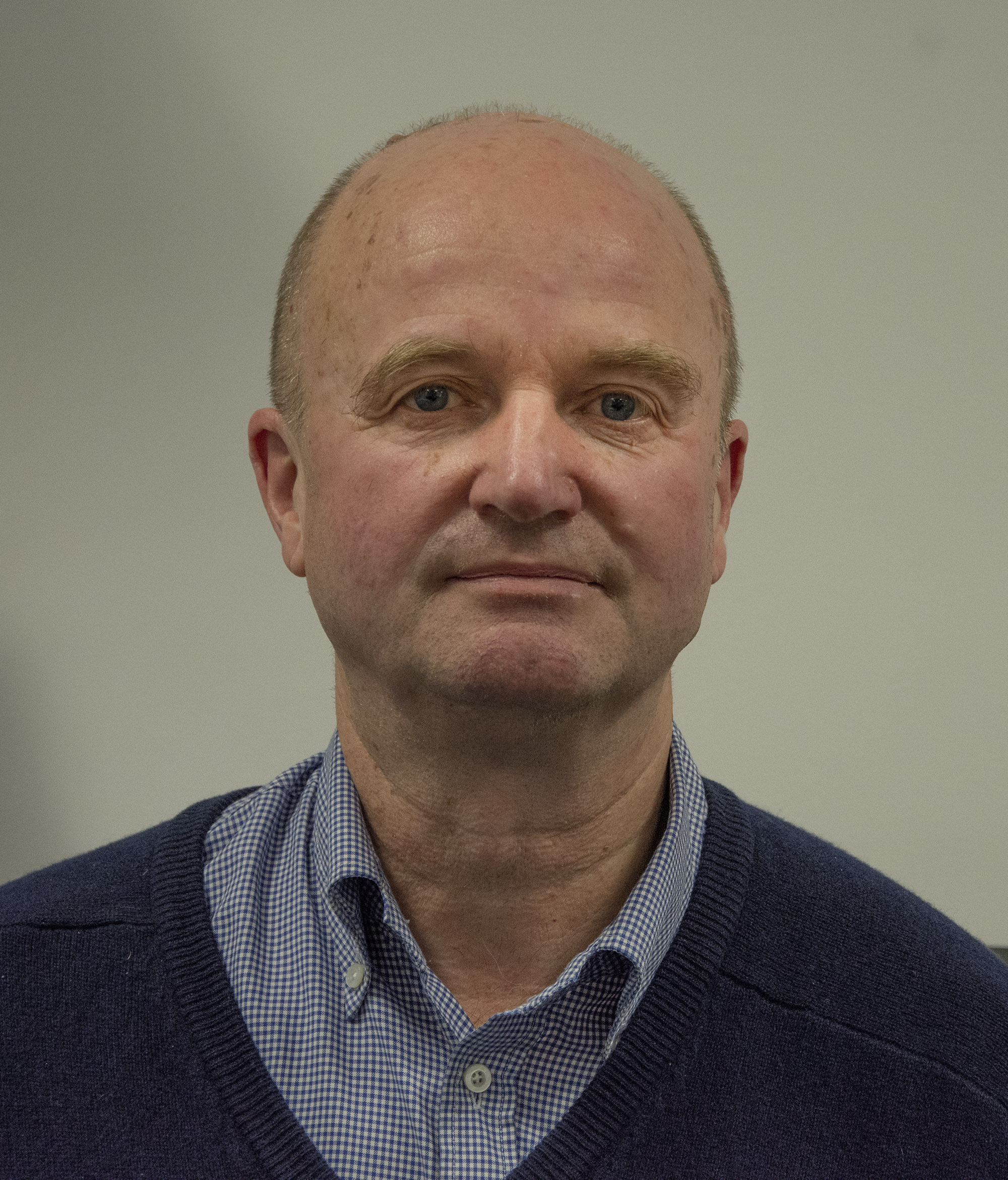 This year’s virtual event featured Keynote Speaker Professor Ralph Schroeder of the Oxford Internet Institute who spoke on “Digital Media and Social Theory: the View from Modi’s India and Xi’s China.”
Professor Ralph Schroeder is Programme Director of the MSc in Social Science of the Internet at the OII. Professor Schroeder has interests in virtual environments, social aspects of e-Science, sociology of science and tech, and has written extensively about virtual reality technology. His current research is related to digital media and right-wing populism.
Ralph Schroeder was formerly Professor in the School of Technology Management and Economics at Chalmers University in Gothenburg (Sweden). He completed his PhD about Max Weber at the LSE in 1988. His publications include Rethinking Science, Technology and Social Change (Stanford University Press, 2007) and Being There Together: Social Interaction in Virtual Environments (Oxford University Press, 2010). He is also the author of ‘An Age of Limits: Social Theory for the 21st Century’ (Palgrave Macmillan 2013) and, with Eric T. Meyer, of ‘Knowledge Machines: Digital Transformations of the Sciences and Humanities’ (MIT Press 2015).
We are also pleased to announce special international collaborations with the Brazil-U.S. Colloquium on Communication Studies and IAMCR Digital Divide Working Group.
The CITAMS Chairs’ Evening Plenary was: “The Challenge of Obsolescence in Media Sociology” organized by Andrew M. Lindner (Skidmore College) and Jenny Davis (Australian National University) with panelists Morgan G. Ames (UC-Berkeley), Melissa C. Brown (Stanford University).
The event was free thanks to our generous sponsors: CITAMS || Bristol Univ. Interpretive Lenses in Sociology || Emerald Studies in Media and Communications || Palgrave Studies in Digital Inequalities || Santa Clara University Department of Sociology
Program Committee Co-Organizers and Co-Chairs: Laura Robinson & Julie Wiest with Committee Members: Wenhong Chen, Ken Kambara, Jeremy Schulz, & Ian Sheinheit with Assistant Committee Members: Barbara Baptista and JD Worcester (in alphabetical order)
CALLS FOR SUBMISSIONS FROM OUR SPONSORS
Emerald Studies in Media and Communications
Emerald Studies in Media and Communicatons is calling for submissions for edited volumes on any aspect of digital sociology. Each year, we publish volumes that capitalize on the series’ sponsorship by CITAMS. The series welcomes self-nominations from scholars of all disciplines interested in editing a volume on an important aspect of media, communication, digital sociology, or related fields.
Palgrave Studies in Digital Inequalities: Call for Monographs and Edited Volumes
Palgrave Studies in Digital Inequalities book series is seeking monographs and edited volumes that speak to any aspect of digital inequality, digital divides, and digital inclusion writ large. The series welcomes monographs and edited volumes that are empirical, theoretical, agenda‐setting, and/or policy driven that explore any aspect of inequality, marginalization, inclusion, and/or positive change in the digital world. The series seeks scholars studying both emergent and established forms of inequality. Potential themes include but are not limited to digital inequalities in relation to AI, algorithms, misinformation, digital labor, platform economy, cybersafety, cybercrime, gaming, big data, the digital public sphere, economic class, gender, sexuality, race and ethnicity, aging, disability, healthcare, education, rural residency, networks, public policy, etc.
For more information on the Media Sociology Preconference held from 2013 until 2019 see the Spring 2018 CITAMS Newsletter
Info Coming Soon!
2024 Event: August 9, 2024
The 2024 annual Media Sociology Symposium was held on August 9, 2024 thanks to sponsorship by CITAMS: the Communication, Information Technologies, and Media Sociology Section of the American Sociological Association. Building on the event’s long-term affiliation with CITAMS, thanks go to Tim Recuber(Chair CITAMS) for the section sponsorship of the annual event and organization of the CITAM Chair’s Panel.
Sponsors
Free registration was generously provided by our sponsors: the Department of Anthropology & Sociology at West Chester University, the Department of Sociology at Santa Clara University, and Emerald Studies in Media & Communications.
Organizers & Global Advisory Board
The event was possible thanks to the service of Co-Organizers: Laura Robinson, Jeremy Schulz, and Julie Wiest, as well as chairs Katia Moles and Kenneth Kambara, and members of the Global Advisory Board Grant Blank, Wenhong Chen, Kenneth Kambara, Muyang Li, Zhifan Luo, Noah McClain, Katia Moles, Sonia V. Moreira, Anabel Quan-Haase, Massimo Ragnedda, Maria Laura Ruiu, Inês Vitorino Sampaio, and Juliana Trammel (all names in alphabetical order).
Questions? Email mediasociologysymposium@gmail.com
AUGUST 9th SCHEDULE (All times in EDT Eastern Daylight Time)
10:00 Welcome & Opening Panel “Fields and Institutions”
Chair: Kenneth Kambara
- Johan Lindell: “The Craft of Bourdieusian Media Studies: Towards A Relational Sociology of Digital Media”
- Kenneth Kambara and Alex Symons: “The Role of Technology in the Future of Public Media: The Institutional Challenges of the Canadian Broadcasting Corporation/Radio Canada, and the Digital Triumphs of the British Broadcasting Corporation”
- Jo Ann Oravec: “Robots as Romantic Objects: How Artificial Intelligence Engenders Notions of Love and Marriage”
- Diana Papademas: “Global Communications? The UN as Media Enterprise Moving Data”
11:00 Senior Scholar Keynote: Wenhong Chen
12:00 Field Founder Keynote: Christena Nippert Eng
1:00 Mid Career Scholar Keynote: Bianca Reisdorf
2:00 CITAMS Chair Plenary: “Media & Death”
- Organizer: Timothy Recuber
- Invited Panelists: Shantel Buggs, Nilou Davoudi, Tamara Kneese, & Noah McClain
3:00 Rising Scholar Keynote: Muyang Li
4:00 CITAMS Career Achievement Keynote: Pablo J. Boczkowski
5:00 Panel: Media and Society
- Shelley Boulianne and Christian Hoffmann: “Pandemic activism in comparative perspective: Exploring the roles of digital media uses, misinformation, and populist attitudes”
- Jesse Bryant: “Embedding Regression for Comparative Discourse Analysis: Tracing Far Right Ideology Across Media Ecosystems”
- Dhiraj Murthy: “AI and Social Media in India”
- Laura Robinson and Ines Vitorino Sampaio: “Digital Publics: A Comparative Perspective”
6:00 Closing Remarks
KEYNOTE TALKS AND BIOS
Field Founder Keynote: “Aggressive Mimicry: From Portia Jumping Spiders and the Ghost Army to Phishing, Gaming, Dating, and Deep and Cheap Fakes:
Christena Nippert Eng: Professor of Informatics in the Luddy School of Informatics, Computing, and Engineering at Indiana University Bloomington
Professor Nippert-Eng is a sociologist and Professor of Informatics in the Luddy School of Informatics, Computing, and Engineering at Indiana University Bloomington. Nippert-Eng’s scholarly interests include cognition and culture; gender; privacy and secrecy; deception and camouflage; time and space; home, work, and everyday life; ethnography and user-centered design; and, most recently, the social behavior of nonhuman animals, especially the rest of the great apes.
Professor Nippert-Eng’s work has been featured extensively in the media, ranging from NPR’s “Talk of the Nation” and programs on PBS and MSNBC to the New York Times, Wall Street Journal, Newsweek, Working Mother and Fast Company. She’se served as a consultant to a number of companies including HP, Motorola, Gillette, Steelcase, and Hilton Hotels—as well as non-profits, start-ups, and business consultancies.
Published books include Home and Work: Negotiating Boundaries Through Everyday Life and Islands of Privacy: Disclosure and Concealment in Everyday Life, both with the University of Chicago Press, as well as Watching Closely: A Guide to Ethnographic Observation with Oxford University Press. Nippert-Eng also wrote an award-winning nonfiction picture book for middle grade readers and up, Gorillas Up Close, and a fun board book for toddlers, What is Baby Gorilla Doing? Both are published by Henry Holt and feature the amazing photographs of John Dominski and Miguel Martinez.
Senior Scholar Keynote: TikTok at the Crossroad of Geopolitics and Technopolitics: A Revival of Media Sociology
Wenhong Chen, Ph.D.: Professor of Media Studies and Sociology, School of Journalism and Media, Moody College of Communication, University of Texas at Austin
Dr. Wenhong Chen is a professor of media studies and sociology and a Distinguished Scholar in the Strauss Center for International Security and Law at University of Texas at Austin. An award-winning scholar and educator, Dr. Chen has more than 100 publications, including articles in top-ranked journals in the fields of communication and media studies, sociology, and management. Dr. Chen’s current project examines how U.S. and Chinese AI policies affect tech and media entrepreneurship.
Keynote Abstract: ByteDance’s parallel universe strategy has made TikTok a global sensation with significant social and cultural significance. American lawmakers and regulators have tried to ban TikTok since 2020 based on privacy, data, and national security concerns. Drawing on quantitative and qualitative data including congressional hearings, government, court, and corporate files, media reports and interviews, I first examine the legal, regulatory, and political contours and contentions of the TikTok ban at the federal and state levels in the U.S. Second, I analyze the patterns, success and backfire of TikTok’s strategic responses to U.S. concerns since 2020, especially how its copying of big tech’s playbook falls short. Third, I discuss the implications of the TikTok ban for platform governance and digital trade as well as how such cases present an opportunity for the revival of media sociology.
Mid Career Scholar Keynote: Digital Equity in Prison and Reentry
Bianca Reisdorf: Associate Professor in the Department of Communication Studies, University of North Carolina
Bibi C. Reisdorf, D.Phil., is an Associate Professor in the Department of Communication Studies at the University of North Carolina – Charlotte, USA. Her work focuses on the intersection of inequalities and digital media and the Internet, with a focus on digital inequalities among marginalized populations. In her recent research, Dr. Reisdorf has been focusing on internet access in correctional settings and how returning citizens navigate a technology-dependent world after release. In addition, she is interested in proxy Internet use as well as how Internet users look for and evaluate information from various media sources.
Rising Scholar Keynote: “Rising Scholar Keynote: “Fear of Automation: Conspiratorial Thinking and Resistance to Algorithms in Online Communities”
Muyang Li: Assistant Professor of Sociology, York University, Canada
Muyang is an Assistant Professor of Sociology at York University, Canada. As a digital sociologist, her research explores how digitalization interacts with democracy and social life. Her work focuses on the evolving power dynamics in the digital age, examining how digital technologies reshape the interaction of politics, press, platforms, and public discourse, and their influence on democracy. Her recent projects explore the state and the public’s response to digitalization and include studies on how digital authoritarianism manifests through state surveillance and censorship, the public’s perception of social automation, and AI governance across geopolitical regions. Her work has been published in New Media & Society, Information, Communication & Society, The SAGE Handbook of Social Media Research Methods, and other outlets. She is a Faculty Fellow at the Center for Cultural Sociology at Yale University and a Faculty Associate at the York Centre for Asian Research.
CITAMS Career Achievement Keynote: “Digital Freud: The Refiguration of Inequality, Sociality, and Personhood in Clinical Practice”
Pablo J. Boczkowski: Professor of Communication, Northwestern University
Pablo J. Boczkowski has doctorates in Clinical Psychology (Universidad de Belgrano, 1994) and Science and Technology Studies (Cornell University, 2001). He was an assistant professor at MIT from 2001 until 2005, and since then has been at Northwestern University. His research program examines digital culture from a comparative perspective. He is currently working on a book tentatively entitled “Digital Freud: The Refiguration of Inequality, Sociality, and Personhood in Clinical Practice.” He is past Member of the Institute for Advanced Study at Princeton; Fellow of the International Communication Association; and recipient of the 2024 Career Achievement Award from the Communications, Information Technologies, and Media Sociology section of the American Sociological Association. His award-winning publication record include seven books, five edited volumes, and over sixty journal articles.
Keynote Abstract: For over a century, the practice of the “psy” professions—such as psychiatry, clinical psychology, and social work, among others—primarily consisted of conversations during in-person sessions and the occasional phone call between sessions. They also knew little about each other outside of what was said during sessions. Furthermore, it was rare that mediated information became a topic of conversation during sessions. This communication and technology matrix was tied to longstanding conceptual and procedural models, and to distinct notions of personhood and their place in modernity. But over the past decade it has gone through a fundamental shift—and one that has intensified since the outset of the COVID-19 pandemic. While some sessions still take place in-person, others also happen on the screen or over the phone. Furthermore, patients increasingly communicate with professionals by text and email between sessions, thus extending the frequency of therapeutic exchanges and the workload. They also share audio, photo, and video files to “show rather than tell” about their predicament. Moreover, professionals and patients can—and usually do—know more about each other than before by resorting to search and social media technologies. Finally, the handling of content and interactions over smartphones, social media, and various apps has become a recurrent topic of conversation within sessions. Taken together, these transformations have destabilized the previously dominant matrix, and made visible dynamics that bind communication and technology with transformations in knowledge, culture, and society. In this talk I will draw from an interview-based ethnographic study with mental health professionals (N= 100) in the Greater Metropolitan Area of Buenos Aires, Argentina, to examine how they use communication technology in their work practices. The analysis will show that digitizing mental health work is tied to major transformations in broader issues of inequality, sociality, and personhood in contemporary life.
CITAMS Chair Plenary: Media & Death
Organizer: Associate Professor Timothy Recuber: Associate Professor of Sociology, Smith College
Invited Panelists: Shantel Buggs, Nilou Davoudi, Tamara Kneese, & Noah McClain
Timothy Recuber
Timothy Recuber is a sociologist whose research focuses on mass media, digital culture and emotions. He is the author of two books—The Digital Departed: How We Face Death, Commemorate Life, and Chase Virtual Immortality and Consuming Catastrophe: Mass Culture in America’s Decade of Disaster—as well as numerous articles and essays.
Shantel Buggs
Dr. Shantel Gabrieal Buggs is an Associate Professor of Sociology and African American Studies at Florida State University. Her research interests center racism, digital life and culture, and intersectional assessments of institutional and intimate/romantic relationships. She is co-editor and author of Unsafe Words: Queering Consent in the #MeToo Era (Rutgers University Press, 2023).
Nilou Davoudi
Nilou is a PhD candidate at the University of British Columbia (Vancouver, BC, Canada). Nilou’s doctoral research focuses on the impact of digital platforms on mourning and memoria practices, digital remains, and the ethicalities of the rising digital death industry. Her research includes exploring death, grief, and memorialisation content on TikTok; the necessity for critical social and legal norms for guidance pertaining to access, ownership, and privacy of digital remains; and considerations for the societal and theoretical discourses surrounding the digital dignity of the dead.
Tamara Kneese
Tamara Kneese the director of Data & Society’s Algorithmic Impact Methods Lab (AIMLab). Before joining D&S, she was lead researcher at Green Software Foundation, director of developer engagement on the Green Software team at Intel, and assistant professor of Media Studies and director of Gender and Sexualities Studies at the University of San Francisco. She is a Visiting Scholar at UC Berkeley’s Center for Science, Technology, Medicine & Society and a faculty member in the Master in Design for Responsible AI program at ELISAVA in Barcelona. She is the author of Death Glitch: How Techno-Solutionism Fails Us in This Life and Beyond (Yale University Press, 2023) and the co-editor of The New Death: Mortality and Death Care in the Twenty-First Century (School for Advanced Research/University of New Mexico Press, 2022). Tamara holds a PhD in Media, Culture and Communication from NYU. Her work has been published in academic journals including Social Text, Cultural Studies, and the International Journal of Communication, and in popular outlets such as The Baffler, Wired, and Logic Magazine. In her spare time, she is an organizer with the Tech Workers Coalition.
Noah McClain
Noah McClain (PhD, New York University) is a sociologist at Santa Clara University, with interests spanning the sociologies of cities, law, communication, complex organizations, work, policing, and security, and how these intersect with technologies high and low. His recent work has examined hilarious memes to understand the failures of counterterror security in the New York subway, and how the COVID-19 pandemic impacted the delicate material and organizational resources enlisted by prisoners in food practices. McClain has served on the faculties of Illinois Tech and the Bard Prison Initiative, where he was also a postdoctoral research fellow. His work has been featured in major media outlets, including The New York Times.Prior to academia, McClain was an investigator of police misconduct for the City of New York.
ALSO FEATURING:
Sponsorship by ESMC & Brazil-U.S. Colloquium on Communication Studies
Sonia Virgínia Moreira
Professor of Communication, Rio de Janeiro State University, Brazil
This year we highlight our sponsorship by ESMC that resulted in a multi-year collaboration with the Brazil-U.S. Colloquium on Communication Studies. We recognize two recent volumes with ESMC:
Geo Spaces of Communication Research: Vol. 26 | Emerald Insight
Creating Culture Through Media and Communication: Vol. 24 | Emerald Insight
Sonia Virginia Moreira is a journalist, Master in Journalism from the University of Colorado (Boulder campus) and Doctor in Communication Sciences from the University of São Paulo. As Professor at the Social Communication Faculty of the Rio de Janeiro State University (UERJ) in the area of journalism and media culture, she has been carrying out research with emphasis on the areas of broadcasting industry in Brazil (specially radio) and regional and international communication. Sonia is the author of several articles and book chapters on journalism and communication-related topics. Among the books she has published are: Rádio Nacional, o Brasil em sintonia (The National Radio Station, Brazil tuned in) (1988, in partnership with Luiz Carlos Saroldi); O Rádio no Brasil (Radio in Brazil) (2nd edition 2000); Rádio Palanque, fazendo política no ar (Radio Speakers Platform, politics on the air) (1998); Rádio em transição – tecnologias e leis nos Estados Unidos e no Brasil (Radio in transition – technologies and laws in the United States and in Brazil) (2002); Mídia, ética e sociedade (Media, ethics and society) (2004, organized in partnership with Aníbal Bragança). She was elected president of the Brazilian Society for Interdisciplinary Studies in Communication (2002-2005) and was also its international relations director (2005-2008). Presently she coordinates the Brazil-US Colloquium on Communication Studies and is a member of the scientific committee of the Brazilian Society of Journalism Researchers (SBPJor).
Hon. Lloyd Levine (ret.), Senior Policy Fellow, UC Riverside
Encore Replay of Levine’s ICA Keynote Available Here Aug. 9-16
Highlights from Lloyd’s volume with ESMC below.
Thanks to the Media Sociology Symposium’s sponsorship by Emerald Studies in Media and Communications, this year’s event highlights Lloyd Levine’s volume: Technology vs. Government: The Irresistible Force Meets the Immovable Object featured in the UC Riverside’s School of Public Policy’s Podcast Series: Policy Chats. Technology vs. Government examines why government fails at technology acquisitions, innovation, and implementation, the impact on people, and the future opportunities and implications for government service, administration and policy.
Lloyd Levine is a former member of the California State Legislature where he served as Chair of the Assembly Committee on Utilities and Commerce. Currently, Mr. Levine serves as T-Mobile for Government’s National Senior Executive for State Government Strategy and is a Senior Policy Fellow at the University of California, Riverside School of Public Policy. As a Legislator, Mr. Levine established himself as one of California’s leading experts in energy, telecommunications, and technology policy, successfully championing many cutting edge, first-in-the-nation policies. Mr. Levine served as a member of Governor Schwarzenegger’s Broadband Taskforce and was a Founding Board Member of the California Emerging Technology Fund. Mr. Levine currently serves as a Founding Member of the Advisory Board for the UC Riverside School of Public Policy, where he and the school’s founding Dean, Anil Deolalikar, co-founded the Center for Technology, Policy & Society.Through his legislative and professional work and his academic publications, Mr. Levine has earned a reputation as a nationally recognized leader in government technology and policy, including recently being named “one of the 40 most thought-provoking innovators in New York city and state” by the prestigious New City & State New magazine recently. Mr. Levine has appeared on television and radio programs across the country and has been published and cited widely in print media, with articles published in everything from daily newspapers to legal publications. Mr. Levine has also served as a panelist and keynote speaker at energy, and technology conferences around the world, and been a guest lecturer in many universities and law schools.As a Senior Policy Fellow, Mr. Levine has multiple peer reviewed articles on utilities, technology, broadband and the digital divide. Mr. Levine’s first book, “Technology vs. Government: The Irresistible Force Meets the Immovable Object”, an academic, research-based exploration of the intersection of technology and government. The Title was published in March of 2024.Mr. Levine currently resides in Sacramento with his wife, Emmy award winning KCRA Anchorwoman Edie Lambert and their two children.
For scholars who want to make connections between policy and research, see Levine’s here:
“Connecting research to policy: Understanding macro and micro policy-makers and their processes” in First Monday
“Digital Inequality Research for Digital Publics: A Call for New Modalities in Policy-oriented Social Science” in P. Tsatsou (ed.), Vulnerable People and Digital Inclusion.
Media Sociology Symposium: Aug. 16th 2023
The event was held with generous sponsorship from West Chester University, UT Austin, and Santa Clara University.
2023 Media Sociology Symposium | August 16th
Sponsors
Building on the event’s long-term affiliation with CITAMS, registration is free thanks to the generous sponsorship from the Department of Anthropology & Sociology at West Chester University, the Center for Entertainment and Media Industries at Moody College of Communication at the University of Texas at Austin, and the Department of Sociology at Santa Clara University. Our thanks also go to Dustin Kidd (Chair CITAMS) for the section sponsorship.
Global Committee Members
We thank our global committee members for their service (in alphabetical order): Grant Blank, Wenhong Chen, Kenneth Kambara, Muyang Li, Katia Moles, Sonia V. Moreira, Anabel Quan-Haase, Massimo Ragnedda, Maria Laura Ruiu, Inês Vitorino Sampaio, and Juliana Trammel, and Julie Wiest.
Questions? Email mediasociologysymposium@gmail.com
Keynotes:
11:30 AM Symposium Keynotes: Dr. Di Di and Dr. Katia Moles
2:30 PM Public Sociology Keynote: Dr. Noah McClain
Panels:
10:00 AM Panel: Digital Inclusion and Exclusion Processes
1:00 PM Panel: Media, Power, and Marginalization
3:45 PM Panel: Politics, Protest, and Representation
All times in EDT (Eastern Daylight Time)
– – – – –
Detailed Schedule for August 16th (all times in Eastern Daylight Time):
10:00 Welcome: Julie B. Wiest
10:00-11:15 Panel: Partnership with the Brazil-U.S. Colloquium on Communication Studies Colóquio Brasil-Estados Unidos no Media Sociology Symposium
Chair: Julie B. Wiest
Organizer: Sonia V. Moreira, State University of Rio de Janeiro, Brazil
Panel Theme: Digital inclusion and exclusion processes: education, literature/journalism, and communication
Literary journalism and the construction of life stories by Monica Martinez (UNISO, Brazil)
Digital Media Literacy in Brazil by Cristiane Parente (University of Brasília, Brazil)
Midi! The inclusive media portal of a laboratory for the study of local and regional media by Jacqueline S. Deolindo (UFF Campos dos Goytacazes, Brazil)
The fine line of digital media inclusion through the use of mobile phones in Brazil by Sonia V. Moreira (UERJ, Brazil)
Artificial Intelligence for Social Evil: Exploring How AI and Beauty Filters Perpetuate Colorism Juliana Trammel (Savannah State University, U.S.A.)
11:15-11:30 Break
11:30-12:30 Symposium Keynote Panel: Work and Tech Ethics
Introduction: Julie B. Wiest
Keynote Speakers: Dr. Di Di and Dr. Katia Moles
Dr. Di Di: “Ethical ambiguity and complexity: tech workers’ perceptions of big data ethics in China and the US”
Relying on interviews with 98 tech workers in China and the US, this study is guided by two questions: (1) What are tech workers’ perceptions of big data ethics, and (2) what are the cross-national similarities and differences in China and the US? The study found that there are cross-national similarities in tech workers’ cautious enthusiasm about the applications of big data in their work, as well as in their complex and ambivalent ethical perspectives on the use of big data in government digital surveillance. The main cross-national differences occur in tech workers’ perceptions of whether big data may reinforce social inequalities. US-based tech workers are concerned about the reinforcement of race and gender-based inequalities through the use of big data, whereas their colleagues in China are optimistic that the use of big data may reduce income-based inequalities across geographical regions. The study’s findings have implications for how to leverage tech workers’ influence and promote the ethical use of data and algorithms.
Di Di is an assistant professor in the Department of Sociology at Santa Clara University. Dr. Di Di’s work examines the contextualization of global institutions, such as religion, academic sciences, technology, and digital sociology. Her recent study analyzes how tech workers in China and the US understand the intersection between religion, ethics, and the application of science. She is also working on another study on atheist, secular humanist, religious, and spiritual content creators on social media. Some recent publications on today’s theme include “Surviving is Succeeding: How Tech Workers Handle Job Insecurity During COVID-19” published in the American Behavioral Scientist and “Ethical ambiguity and complexity: tech workers’ perceptions of big data ethics in China and the US” Information, Communication & Society. Other publications have appeared in journals such as Sociology of Religion, The Sociological Quarterly, Science and Engineering Ethics, and Journal of Contemporary China.
Dr. Katia Moles: “Tech Ethics Begins Now”
Adding to the work on creative conflict management that has been the object of organizational and management studies for the last several decades, we focus on a subset of Gen Z or “Generation Tech” (Gen T). This generation will be the first to instinctively and reflexively bring a “technology first” approach to their work practices including conflict resolution. Scholars of organizational communication identify the management of creative conflict as a prosocial process with important ramifications for organizational well-being. Taking a social diagnosis approach, we contribute to this growing literature by bringing it into dialogue with digital sociology and Gen Ters who are well-suited to use digital communication platforms (DCPs) like Teams and Slack to engage in creative conflict that benefits the well-being of organizations and their members. Our analysis shows that DCPs can encourage prosocial behaviors, when they (1) include nonsynchronous functionality, (2) associate contributions with members’ real names, and (3) make all interactions visible to all team members. Our study reveals that when organizational DCPs are governed by these parameters, they can foster the Seven Cs of Creative Conflict that we identify as clarity, candor, contribution, cooperation, challenge, courage, and collegiality. The Seven Cs foster a growth mindset feedback loop in which members learn to self-reflectively apply a social diagnostic approach to their own digitally mediated well-being, thereby potentially improving organizational communication. Therefore, the Seven Cs form a core of communication competencies that will be increasingly important for organizational success as Gen Ters continue to mature and become colleagues in a variety of organizations.
Katia Moles is a social ethicist trained at UC Berkeley and GTU. Dr. Moles is a faculty member in the SCU School of Engineering whose research speaks to the intersection of inequalities and tech ethics, particularly issues of inclusion that impact traditionally underrepresented groups. Recent and forthcoming publications in venues including First Monday and the American Behavioral Scientist are at the forefront of tech ethics from an interdisciplinary perspective including the ethics of digital inclusion, ethical questions related to emergent technologies, and the policy implications of cultural norms and gender inequality. Moles has been recognized by the Journal of Feminist Studies in Religion with the “New Scholar Award” for the article “A Culture of Flourishing: A Feminist Ethical Framework.” Indicating Moles contributions across fields, Dr. Moles work on tech ethics and work has been reprinted by the National Institute for Health National Center for Biotechnology Information in the National Library of Medicine.
12:30-1:00 Break
1:00-2:15 Panel: Media, Power, and Marginalization
Chair: Jeremy Schulz
Online Racism, Algorithms, and Digital Intermediaries: Examining Multiple Dimensions of Digital Oppression by Maryann Erigha Lawer
The Cultural Politics of Detransition Narratives on YouTube by Eli Alston-Stepnitz and Laura Grindstaff
Public or Private: Narrating Gendered Violence in Chinese Social Media, 2010-2019 by Muyang Li and Zhifan Luo
History or a Hindsight? The Haunting of New England by Tanni Chaudhuri
2:15-2:30 Break
2:30-3:30 Public Sociology Keynote: Noah McClain
Introduction: Jeremy Schulz
“Machine-Readable Impunity: Police Personnel, Mobility, and the Deception of “Smart” Transportation Computers in New York City
Noah McClain (PhD, New York University) is a sociologist at Santa Clara University, with interests spanning the sociologies of cities, law, inequality, complex organizations, work, policing, and security, and how these intersect with technologies high and low. His recent work has examined hilarious memes to understand the failures of counterterror security in the New York subway, and how the COVID-19 pandemic impacted the delicate material and organizational resources enlisted by prisoners in food practices. McClain has served on the faculties of Illinois Tech and the Bard Prison Initiative, where he was also a postdoctoral research fellow. Prior to academia, McClain was an investigator of police misconduct for the City of New York. His work has been featured in The New York Times.
Digital “smart city” technology is a new domain for deviance and criminalization – and also for police impunity. McClain reports on the discovery and outcome of what is practically a naturally-occurring experiment comparing two formally-similar practices to bypass the fare-and-toll collection computers in New York City, by manipulating the media they are deployed to read. While one practice – native to the subway – was subject to criminalizing legislation and came be interpreted as felony forgery, with a highly racialized pattern of arrests and prosecution, the other practice – native to the city’s toll bridges –is strongly associated with police personnel themselves and has achieved no criminal status at all. The opacity of the collection technologies makes the criminalization of the first practice difficult to contest, and masks and prevents measurement the impunity conferred by the second – especially – to police personnel. The cases suggest new horizons for media sociology, towards the ways that mundane objects are uniquely read by mundane digital infrastructure, how these readings may be interpreted or neglected to confer social advantage and disadvantage alike.
3:30-3:45 Break
3:45-5:00 Panel: Politics, Protest, and Representation
Chair: Laura Robinson
Right Wing Media Radicalization and Gendered Harassment by Hannah Waight
Formation of a Critical Media Landscape in the Midst of Democratic Decay by Defne Over
“He’s done. He’s gone-zo. Never again.” An Investigation and Typopogy of Celebrity Cancel Culture as Micro-Political Engagement by Sarah Johnson-Palomaki
Understanding News Diversity in Social Crises: A Multi-Method Comparative Study by Fan Yang, Muyang Li, Zhifan Luo, and Chia Chang
Youth and Civic Engagement: A Comparative Perspective by Ines Vitorino Sampaio and Laura Robinson
5:00 Closing Remarks: Laura Robinson
2022 Media Sociology Symposium
Thank you to our keynotes: Grant Blank, Sarah Stonbely, & Juliana Trammel and the CITAMS Plenary: Jenny Davis and Dustin Kidd (organizers) and Michael Schudson, Julia Sonnevend, Caitlin Petre, and Laura Garbes (panelists).
Morning Keynote: Grant Blank
“What parts of communication & information technology are we not studying?”
Access a recording of the presentation here
(audio only; video unfortunately was corrupted in transfer)
Bio: Grant Blank (Ph.D. University of Chicago) is Survey Research Fellow at the Oxford Internet Institute and Senior Research Fellow of Harris Manchester College, both part of the University of Oxford, United Kingdom. He is a sociologist specializing in the social and cultural impact of the Internet, the digital divide, statistical and qualitative methods, and cultural sociology. He is currently working on analyses of British Internet use based on the 2019 wave of the Oxford Internet Survey (OxIS), see https://oxis.oii.ox.ac.uk/. Author or co-author of about 50 papers and six books, in 2015 he was awarded the Lifetime Achievement Award from the Communication, Information Technology and Media Sociology section of the American Sociological Association. He can be reached at grant.blank@gmail.com; see https://www.linkedin.com/in/grantblank/.
Midday Keynote: Sarah Stonbely
“Local News Ecosystems, Media Policy, and Journalism Sustainability: How Theoretical Media Sociology Can Be Applied to Questions in Journalism and Media Today”
Access a recording of the presentation here
Bio: Sarah Stonbely (Ph.D., New York University, 2015) is the research director at the Center for Cooperative Media in Montclair, NJ. As such she designs, manages, and executes the research agenda, which supports the Center’s mission of growing and strengthening local journalism. Since heading the research agenda at CCM, Stonbely has produced white papers and research reports on collaborative journalism, the effects on content of changing media ownership, ethnic and community media, media policy, and the structural correlates of local news provision. Her most recent project was a global analysis of collaboration between journalism and civil society organizations.
Afternoon Keynote: Juliana Trammel
“Social Media as a Platform to Advance Public Discourse”
Access a recording of the presentation here
Dr. Juliana Maria Trammel is a communications consultant, professor, and researcher. She has 12 years of experience in the field of communications that includes journalism, public relations, organizational and strategic communication, and communications research. She is currently an associate professor of Journalism & Mass Communications at Savannah State University. She earned a Ph.D. in Communication and Culture (organizational communication) from Howard University; a MA in Public Communication (social marketing) from American University; and a BA in Print and Broadcast Journalism (double major) from Rust College.
CITAMS Plenary: Jenny Davis and Dustin Kidd (organizers)
Access a recording of the presentation here
Panelist: Michael Schudson

“What Matters More Than Truth to U.S. Journalists?”
Abstract: U.S. journalists routinely defend their practices as committed to what they variously call objectivity, balance, fairness, professional detachment, fact-based, or in the service of truth. But this commitment, while genuine, competes with and sometimes gives way to other loyalties — to civility, to privacy, to protecting individual human lives (a “first do no harm” principle), to democracy, and to building emotional connection to audiences through storytelling. This paper briefly presents cases where these other principles subordinate objective reporting to some other goals and raises especially the complications of a journalistic commitment to democracy when explicitly anti-democratic forces are attracting a large following.
Bio: Michael Schudson is Professor of Journalism at Columbia University, and Emeritus Distinguished Professor at the University of California, San Diego.Internationally recognized as a leading scholar of the history and sociology of journalism, he has been awarded a MacArthur “genius” fellowship and is an elected member of the American Academy of Arts and Sciences. His books include Discovering the News (1978), The Good Citizen: A History of American Public Life (1998), The Sociology of News (2003, 2011), The Rise of the Right to Know (2015), and Why Journalism Still Matters (2018).
Panelist: Julia Sonnovend
“Charm: The Power of Personality in Global Politics”
Abstract: Political scientists have argued that the last thirty years have been marked by an increasing presence of political personalization: we pay more attention to personalities than to institutions, policies or parties. While this is widely accepted, we still know little about how political personalities are constructed in mediated environments. Through the examples of liberal, illiberal, and authoritarian leaders, this talk will argue that charm is the new “keyword” of contemporary global politics. The traditional quality of “charisma” referred to exceptional, almost divine qualities and rhetorical performances of male politicians, who were distant from their audiences. In contrast, charm is a magic spell that is both seductive and deceptive, and is built on a leader’s proximity to intended audiences. Politicians now have to appear as “one of us.” With savvy methods, they charm and fuse with their diverse and fragmented audiences online. Without understanding how these seductive personalities rise to power, attract attention in new media, and then often fall out of favor, we cannot grasp the current complex and fragile political times we live in.
Bio: Julia Sonnevend is Associate Professor of Sociology and Communication at the New School for Social Research in New York. She is a sociologist of global culture, focusing on the events, icons, symbols and charismatic personalities of public life. She is the author of Stories Without Borders: The Berlin Wall and the Making of a Global Iconic Event (Oxford University Press, 2016) and is currently finalizing a new book manuscript entitled Charm: The Power of Personality in Global Politics (under advance contract with Princeton University Press). She grew up in Budapest, Hungary, and earned her LLM at Yale Law School and her PhD in Communications at Columbia University.
Panelist Laura Garbes
“Nice white donors: Contending with public radio’s listener-member class”
Abstract: How does the donor base of privilege-dependent nonprofit organizations shape the workplace experiences of employees of color? This inquiry connects donor influence on organizations to minoritized worker experiences within those organizations. In this article, I first analyze existing public radio historiographies alongside a corpus of public radio marketing materials to demonstrate how NPR member stations, understood at their outset to be local organizations meant to reflect the entire public of each region, became dependent on a narrow set of donors, and by consequence, their tastes. Second, I analyze qualitative interview data with 66 employees to show how employees of color at local NPR member stations must contend with the donor base’s importance both directly and indirectly. Many employees of color I interviewed contend with the donor base directly through interactions at donor events, station visits, and pledge drives; they also contended with these donors indirectly as they were invoked throughout the story pitching and framing process. Ultimately, these findings demonstrate that donor influence on workers of color in cultural organizations constrain opportunities of workers of color in the organization and the stories available in the dominant public sphere.
Bio: Laura Garbes is an incoming assistant professor of sociology at the University of Minnesota – Twin Cities. She received her PhD in Sociology from Brown University. She has received fellowships from the National Science Foundation and the American Association for University Women for her work, which focuses on the relationship between voice, whiteness, and cultural organizations. Her current research project interrogates the racialization of sound in American public radio. Her article “When the “Blank Slate” Is a White One: White Institutional Isomorphism in the Birth of National Public Radio” is published in Sociology of Race and Ethnicity. Her most recent publication, ““Anti-Colonial Struggles on Air: Challenging the Colonial Soundscape through Indigenous Soundwork” can be found in Resonance: The Journal of Sound and Culture.
Panelist: Caitlin Petre
“When Workers Own the Newsroom: Media Ownership, Journalistic Working Conditions, and the case of Defector Media”
Abstract: Recent years have seen a rise in worker-owned media companies and cooperatives. The worker-ownership model has been heralded as a potential counter to the precarity of journalistic jobs, the speedup of newswork, and the hyper-commercialism of the US news industry. But we do not yet know how this model impacts journalists’ day-to-day working conditions. How, if at all, does worker-ownership affect editorial decision-making, the journalistic labor process, and journalists’ lived experience of work? This article draws on interviews with worker/owners at Defector, a sports-and-culture site created by journalists who resigned en masse from the private-equity owned company G/O Media. I explore how the structural pressures on contemporary journalism (e.g., platform-dependence; the reliance on metrics to surveil and evaluate worker performance) are affected by the shift to a worker-owned model. The paper contributes to a growing body of research on the role of ownership structures on media work.
Bio: Caitlin Petre is Assistant Professor of Journalism and Media Studies at Rutgers University. Her work uses qualitative methods to examine the social processes, organizations, and actors behind the digital datasets and algorithms that increasingly govern the contemporary world. Petre’s book, All the News That’s Fit to Click (published September 2021 by Princeton University Press), is a behind-the-scenes look at how performance analytics are transforming the work of journalism. Her scholarly work has been published in Social Media & Society, the American Journal of Sociology, Social Forces, Sociologica, and Digital Journalism. She has appeared in popular publications such as the New York Times, the Economist, WIRED, the Atlantic, the American Prospect, and Columbia Journalism Review. Petre holds a Ph.D. in Sociology from New York University, is currently a faculty affiliate at the Center for Information, Technology, and Public Life at the University of North Carolina at Chapel Hill, and was previously a postdoctoral fellow at the Information Society Project at Yale Law School.
2022 Media Sociology Symposium Schedule (All Times in PDT)
Sponsors: CITAMS * LIM College Center for Graduate Studies * Santa Clara University Department of Sociology* Center for Entertainment and Media Industries at the University of Texas at Austin * Emerald Studies in Media and Communications
9:00-10:00 Morning Keynote Grant Blank Introduced by Kenneth M. Kambara
10:00-11:30 Panel: Media and Misinformation, Chair: Julie Wiest
News Media and Social Movement Cooptation: How the Press Can Alter the Life Course of Movements by Samuel Smith
Source of Divergence: A Comparative Studies of News on COVID-19 Origin in the U.S. and Canada by Muyang Li, Fan Yang, Qian Liu, and Zhifan Luo
I would always be careful about what I receive”: Online misinformation, epistemic norms and social distinction” by Natalie-Anne Hall, Andrew Chadwick, and Cristian Vaccari
Fighting online hate and disinformation: A typological approach and going beyond media literacy by Shakuntala Banaji and Ramnath Bhat
11:30-12:00 Break
12:00-1:00 Midday Keynote Sarah Stonbely Introduced by Julie Wiest
1:00-2:30 Panel: Institutions and Inequalities, Chair: Kenneth M. Kambara
Surviving is Succeeding by Di Di
Smarter but more unequal transport? How sociodigital inequalities hinder mobility apps’ adoption by Matías Dodel and Diego Hernánez
Zoom Fatigue or Slack Boost? by Jeremy Schulz and Oyvind Wiborg
Digital Interactions in a Postpandemic World by Katia Moles and Laura Robinson
2:30-3:00 Break
3:00-4:30 Panel: Current Issues, Chair Di Di
Controversial Consumption: User Reviews and Problematic Content in Film by Reid Ralston
Men, erotic habitus and the gender capital of social grievances: The Case of the No Fap Reddit Communities by Steven Dashiell
Understanding niche right-wing social media platforms: who were Parler users and what did they post about? by Dhiraj Murthy
Organizing while tracked: Youth hybrid activism under surveillance by Ashley Lee
4:30-5:30 Afternoon Keynote Juliana Trammel Introduced by Laura Robinson
5:30-7:00 CITAMS Plenary
Organized by Jenny Davis and Dustin Kidd
Panelists: Michael Schudson, Julia Sonnevend, Caitlin Petre, and Laura Garbes
2021 Media Sociology Symposium
Keynote: Ralph Schroeder
CITAMS Chairs’ Plenary: “The Challenge of Obsolescence in Media Sociology” organized by Andrew M. Lindner and Jenny Davis with panelists Morgan G. Ames, Melissa C. Brown
This year’s virtual event featured Keynote Speaker Professor Ralph Schroeder of the Oxford Internet Institute who spoke on “Digital Media and Social Theory: the View from Modi’s India and Xi’s China.”
Professor Ralph Schroeder is Programme Director of the MSc in Social Science of the Internet at the OII. Professor Schroeder has interests in virtual environments, social aspects of e-Science, sociology of science and tech, and has written extensively about virtual reality technology. His current research is related to digital media and right-wing populism.
Ralph Schroeder was formerly Professor in the School of Technology Management and Economics at Chalmers University in Gothenburg (Sweden). He completed his PhD about Max Weber at the LSE in 1988. His publications include Rethinking Science, Technology and Social Change (Stanford University Press, 2007) and Being There Together: Social Interaction in Virtual Environments (Oxford University Press, 2010). He is also the author of ‘An Age of Limits: Social Theory for the 21st Century’ (Palgrave Macmillan 2013) and, with Eric T. Meyer, of ‘Knowledge Machines: Digital Transformations of the Sciences and Humanities’ (MIT Press 2015).
We are also pleased to announce special international collaborations with the Brazil-U.S. Colloquium on Communication Studies and IAMCR Digital Divide Working Group.
The CITAMS Chairs’ Evening Plenary was: “The Challenge of Obsolescence in Media Sociology” organized by Andrew M. Lindner (Skidmore College) and Jenny Davis (Australian National University) with panelists Morgan G. Ames (UC-Berkeley), Melissa C. Brown (Stanford University).
The event was free thanks to our generous sponsors: CITAMS || Bristol Univ. Interpretive Lenses in Sociology || Emerald Studies in Media and Communications || Palgrave Studies in Digital Inequalities || Santa Clara University Department of Sociology
Program Committee Co-Organizers and Co-Chairs: Laura Robinson & Julie Wiest with Committee Members: Wenhong Chen, Ken Kambara, Jeremy Schulz, & Ian Sheinheit with Assistant Committee Members: Barbara Baptista and JD Worcester (in alphabetical order)
CALLS FOR SUBMISSIONS FROM OUR SPONSORS
Emerald Studies in Media and Communications
Emerald Studies in Media and Communicatons is calling for submissions for edited volumes on any aspect of digital sociology. Each year, we publish volumes that capitalize on the series’ sponsorship by CITAMS. The series welcomes self-nominations from scholars of all disciplines interested in editing a volume on an important aspect of media, communication, digital sociology, or related fields.
Palgrave Studies in Digital Inequalities: Call for Monographs and Edited Volumes
Palgrave Studies in Digital Inequalities book series is seeking monographs and edited volumes that speak to any aspect of digital inequality, digital divides, and digital inclusion writ large. The series welcomes monographs and edited volumes that are empirical, theoretical, agenda‐setting, and/or policy driven that explore any aspect of inequality, marginalization, inclusion, and/or positive change in the digital world. The series seeks scholars studying both emergent and established forms of inequality. Potential themes include but are not limited to digital inequalities in relation to AI, algorithms, misinformation, digital labor, platform economy, cybersafety, cybercrime, gaming, big data, the digital public sphere, economic class, gender, sexuality, race and ethnicity, aging, disability, healthcare, education, rural residency, networks, public policy, etc.
For more information on the Media Sociology Preconference held from 2013 until 2019 see the Spring 2018 CITAMS Newsletter
 CITAMS | Communication, Information Technologies, and Media Sociology